Our Tokyo base before and after Hokkaido
OTHER SPACE Asakusa
A room for three with a double bed, futon and laundry, close to Sensōji Temple, restaurants and everyday conveniences.
Check current availabilityTravel and stays
This was my fourth trip to Japan and our second visit as a family. We spent time in Tokyo, travelled north to Hokkaido for five nights at Club Med Tomamu, returned to the same hotel in Asakusa and finished with one very convenient night at Haneda Airport.
Japan has always been part of our family story. My husband lived there as a child, this was my fourth visit, and it was our second time travelling there together as a family.
We travelled during the June school holidays in 2026. The route was simple: Tokyo, then Hokkaido, then back to Tokyo. We flew into Narita and home from Haneda.
Travelling with a child changes the pace. Japan is exciting and easy to move around, but there is also a lot of walking, noise, crowds and stimulation. This time we planned more carefully around familiarity, breaks and activities for the long train journeys.
It was also during this trip that I began working on Great Ocean Road Living. The slower days in Hokkaido gave me room to think about the project, while the buildings, gardens and landscapes around us kept feeding the ideas behind it.
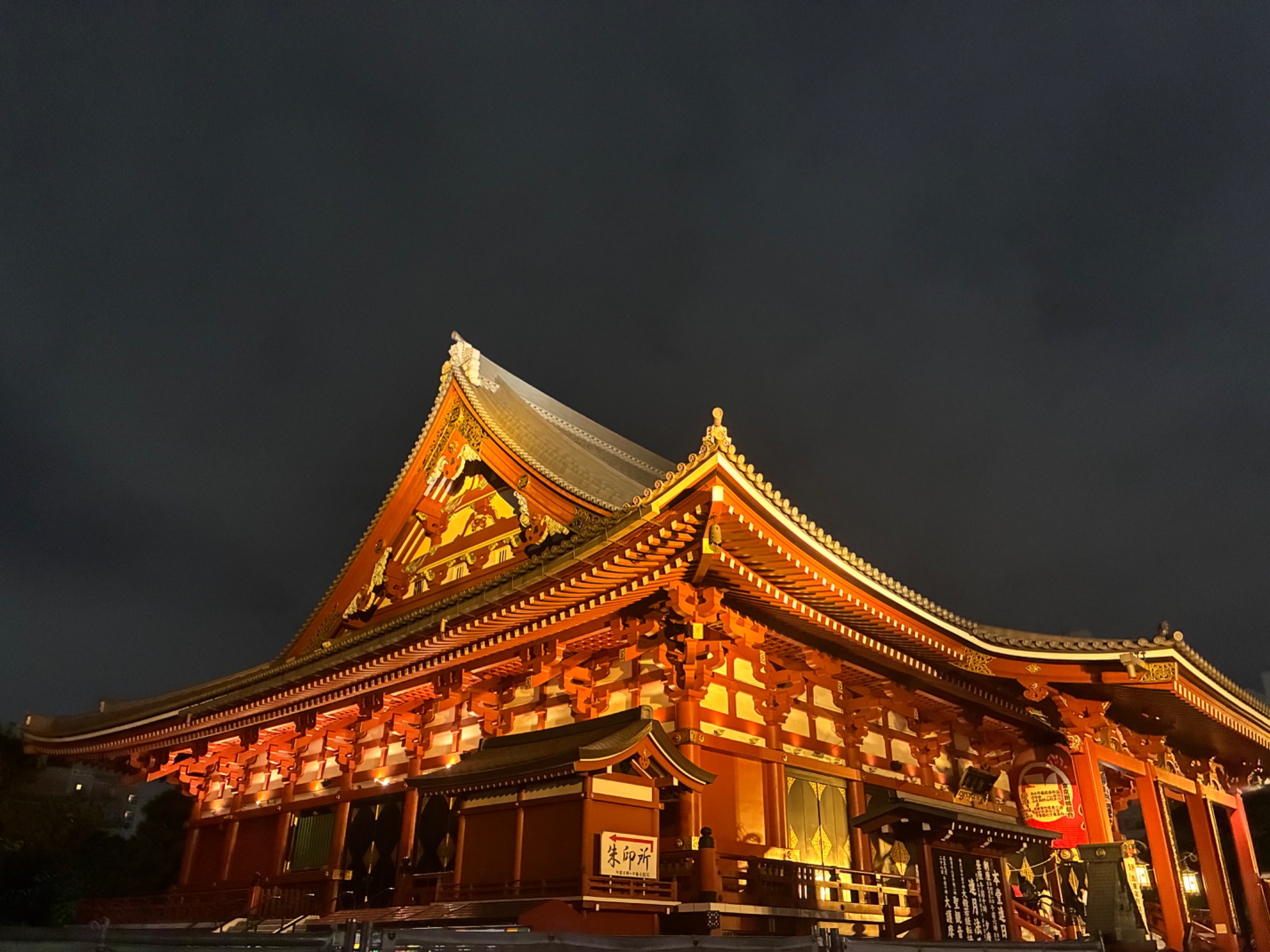
We stayed at OTHER SPACE Asakusa for three nights before Hokkaido and another three nights after it. Returning to the same place was one of the best decisions we made. Our child knew the room, the building and the local streets, so coming back to Tokyo felt familiar rather than like another new arrival.
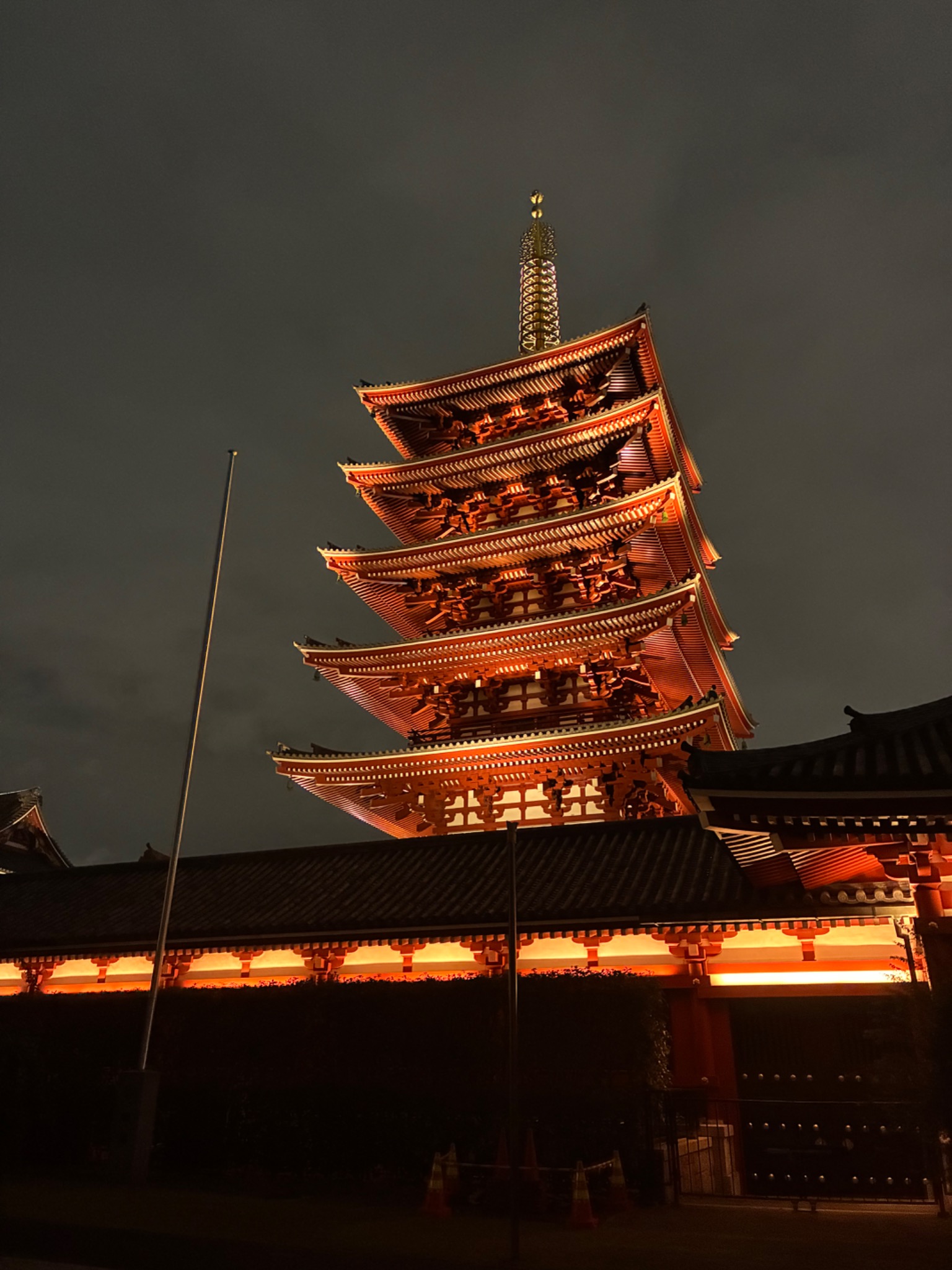
We chose Asakusa because it is close to Sensōji Temple, within reach of Tokyo Skytree and surrounded by restaurants. It also gave us a calmer base than some of Tokyo’s busiest neighbourhoods.
Our room was set up for three people, with a double bed and a futon. It felt generous by Tokyo standards and having a laundry in the room made a real difference on a longer family trip.
The restaurant downstairs served a very good breakfast, but our child often needed food before we were ready to go out. We settled into a practical rhythm of a first breakfast in the room, usually something simple from Lawson or 7 Eleven, followed by a second breakfast when the rest of us were ready.
Japanese convenience stores were useful throughout the trip. We could reliably find cereal, milk, bread rolls and simple sushi, and ramen was another dependable meal. Knowing there would always be something familiar reduced a lot of pressure around food.
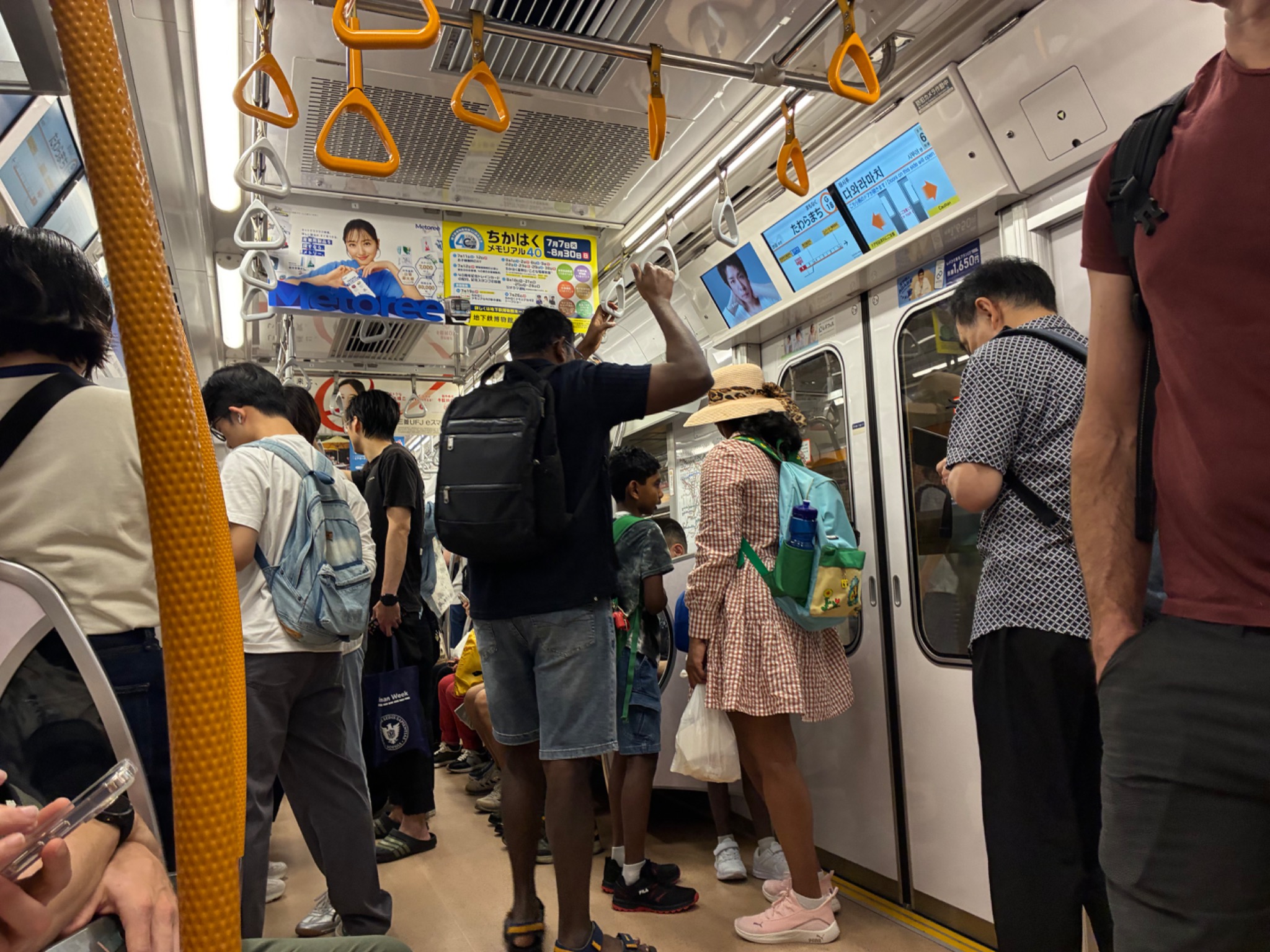
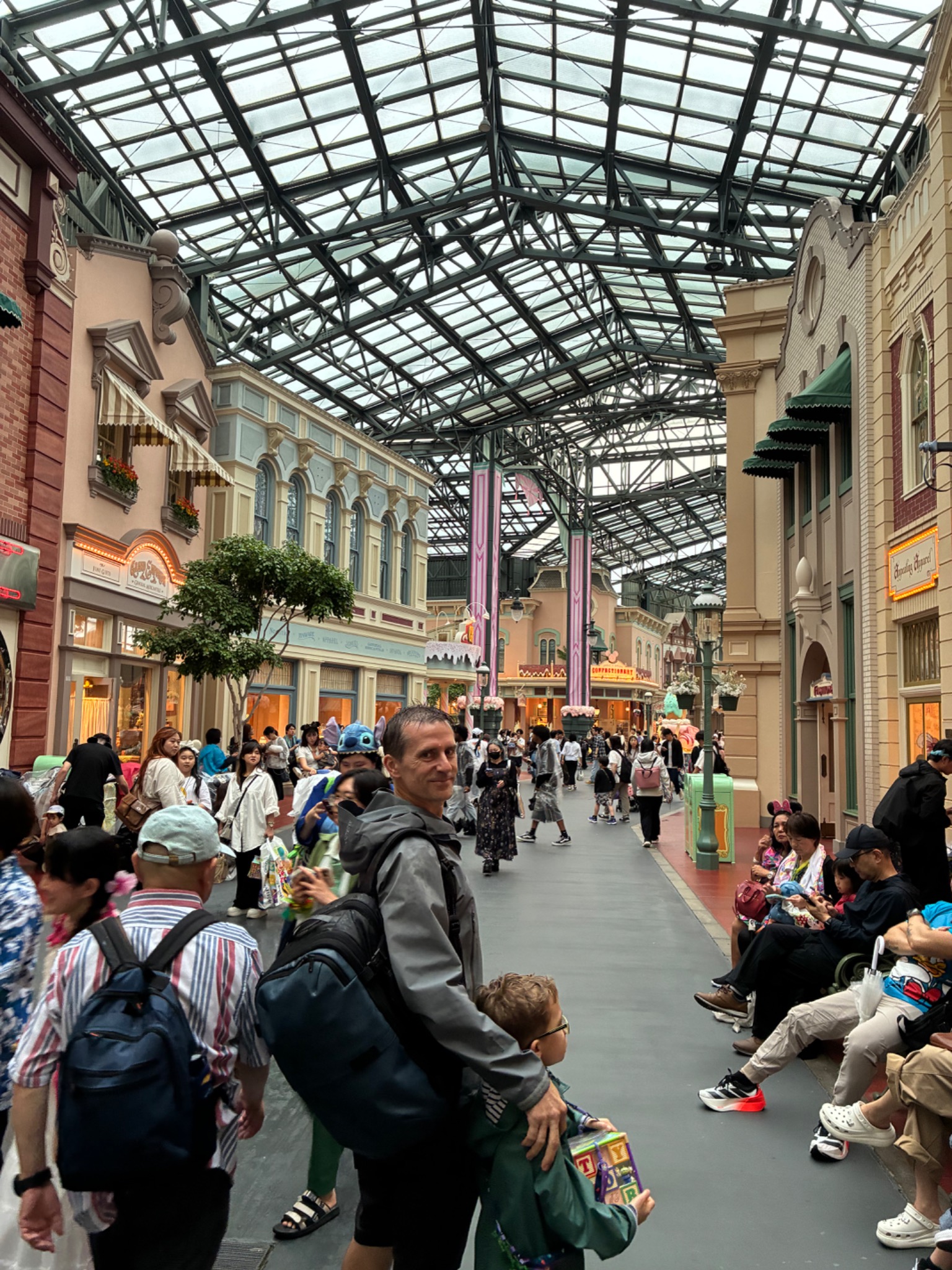
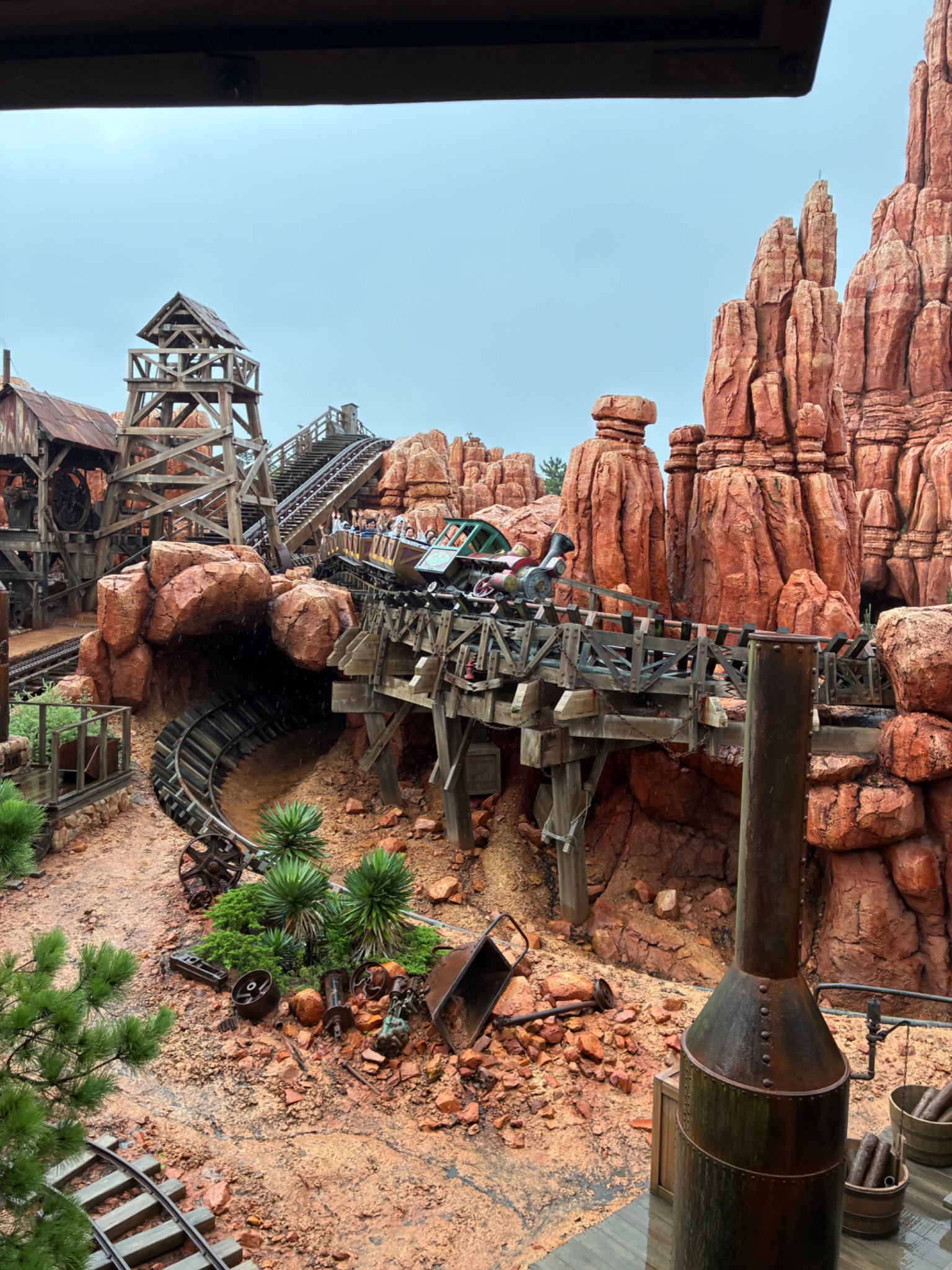
On our previous family trip, we stayed at the Tokyo Disneyland Hotel for three days. It was a splurge, but it was worth it for that particular visit. Early entry meant we could get onto at least one ride before the larger crowds arrived, and staying close made a multi day Disney visit much easier.
This time we were visiting Disneyland for only one day, so paying for a Disney hotel did not make sense. We stayed in Asakusa, took an Uber to Tokyo Skytree and caught the direct bus to the resort. Tokyo Skytree is the first stop, which gave us a better chance of getting seats before the bus filled.
The lines and crowds at Tokyo Disneyland also felt noticeably lighter than on our previous visit. Fantasy Springs, including its Frozen Kingdom area, was still attracting plenty of attention over at DisneySea. We cannot know whether that was the reason, but it made Disneyland the better choice for us, particularly when we had only one day and did not want to spend too much of it in queues.
Disneyland still involved a lot of walking and stimulation. We accepted that we would not do everything and focused on having a good day rather than trying to complete the park.
One of the pleasures of staying in Asakusa was being able to mix major attractions with ordinary neighbourhood routines. We bought clothes at the UNIQLO near Sensōji Temple and walked through Kappabashi Kitchen Town to look at knives and kitchenware. A festival was taking place while we were there, which made the visit particularly lively.
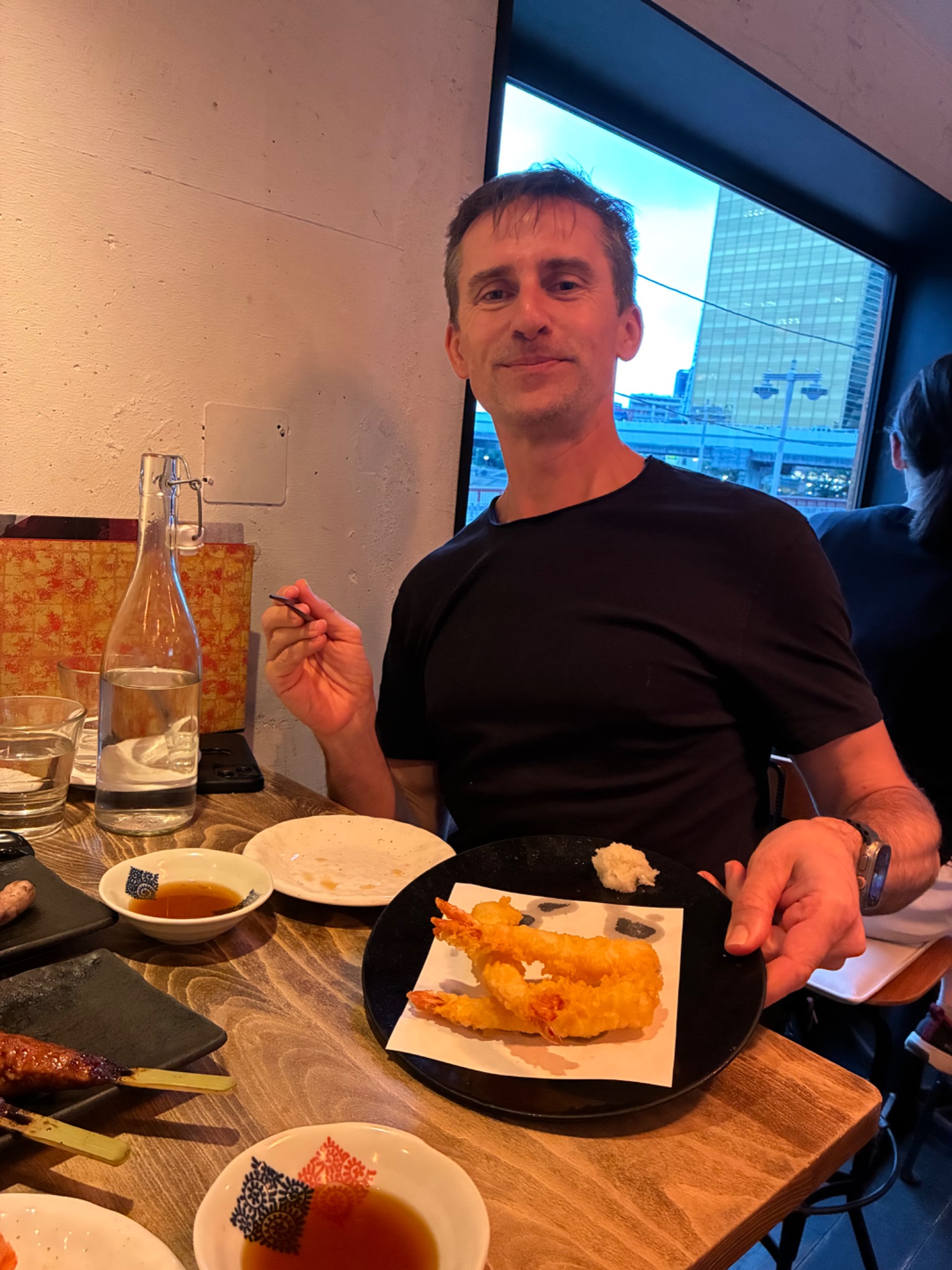
We also ate at Gonpachi Asakusa Azumabashi. It worked well for all of us because the adults could enjoy the setting and menu while there was still food our child was happy to eat.
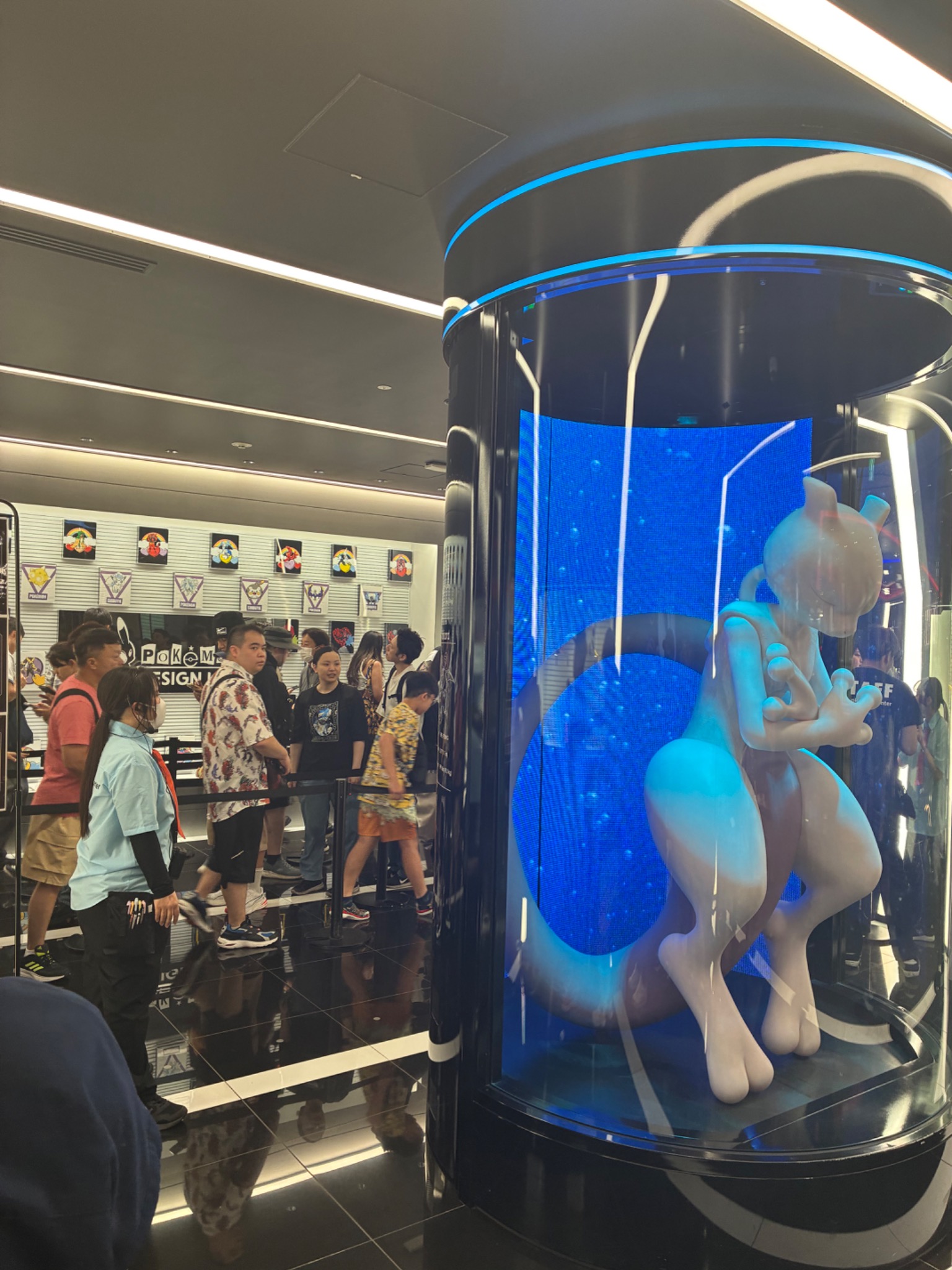
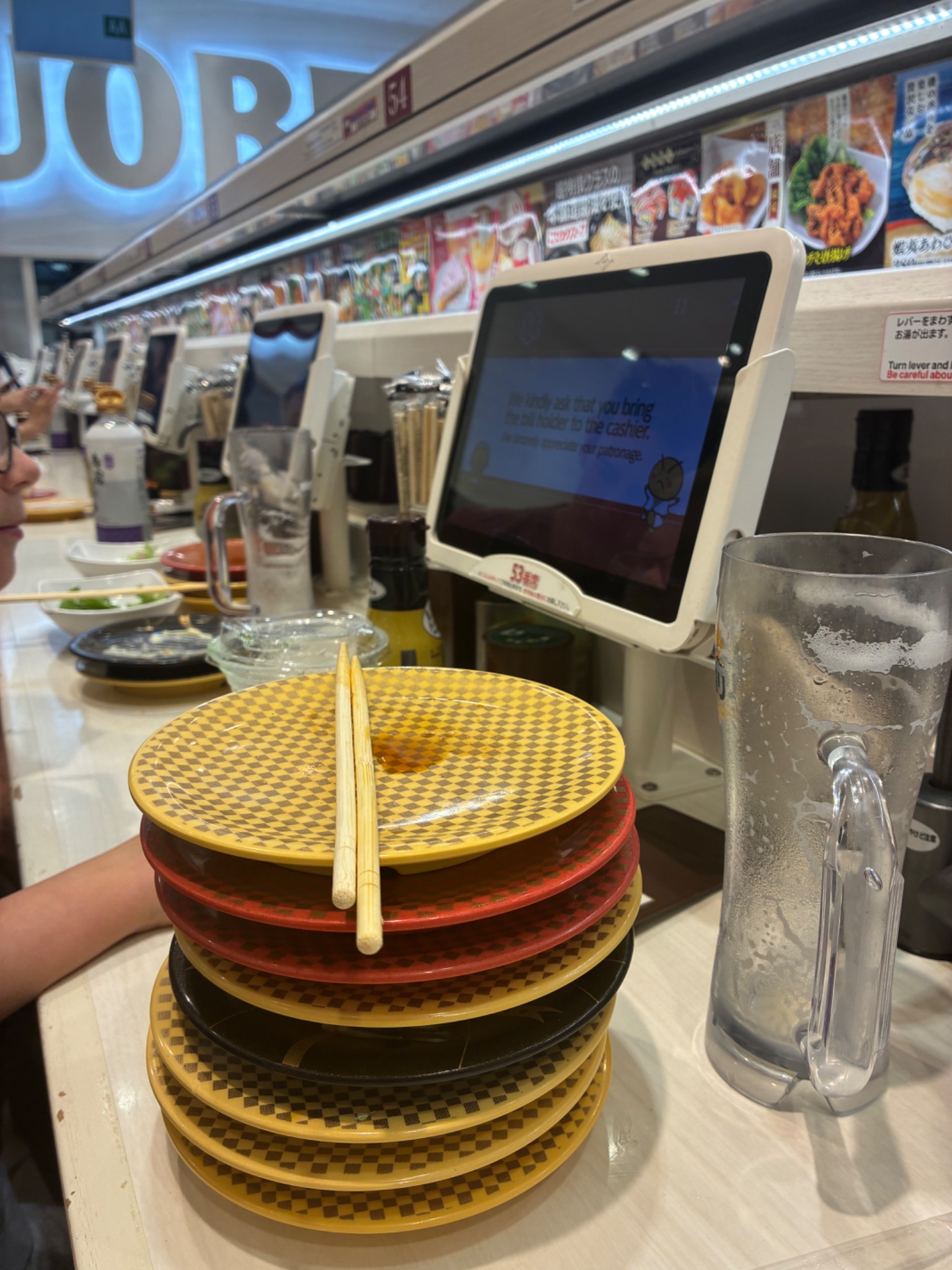
In Shibuya, we visited the Pokémon Center and ate at Uobei Sushi. The conveyor style ordering system was fun, fast and easy with a child. The Pokémon Center was worth visiting, but arriving before it opened was important because a queue formed quickly and people were not only lining up to enter, but also to buy things.
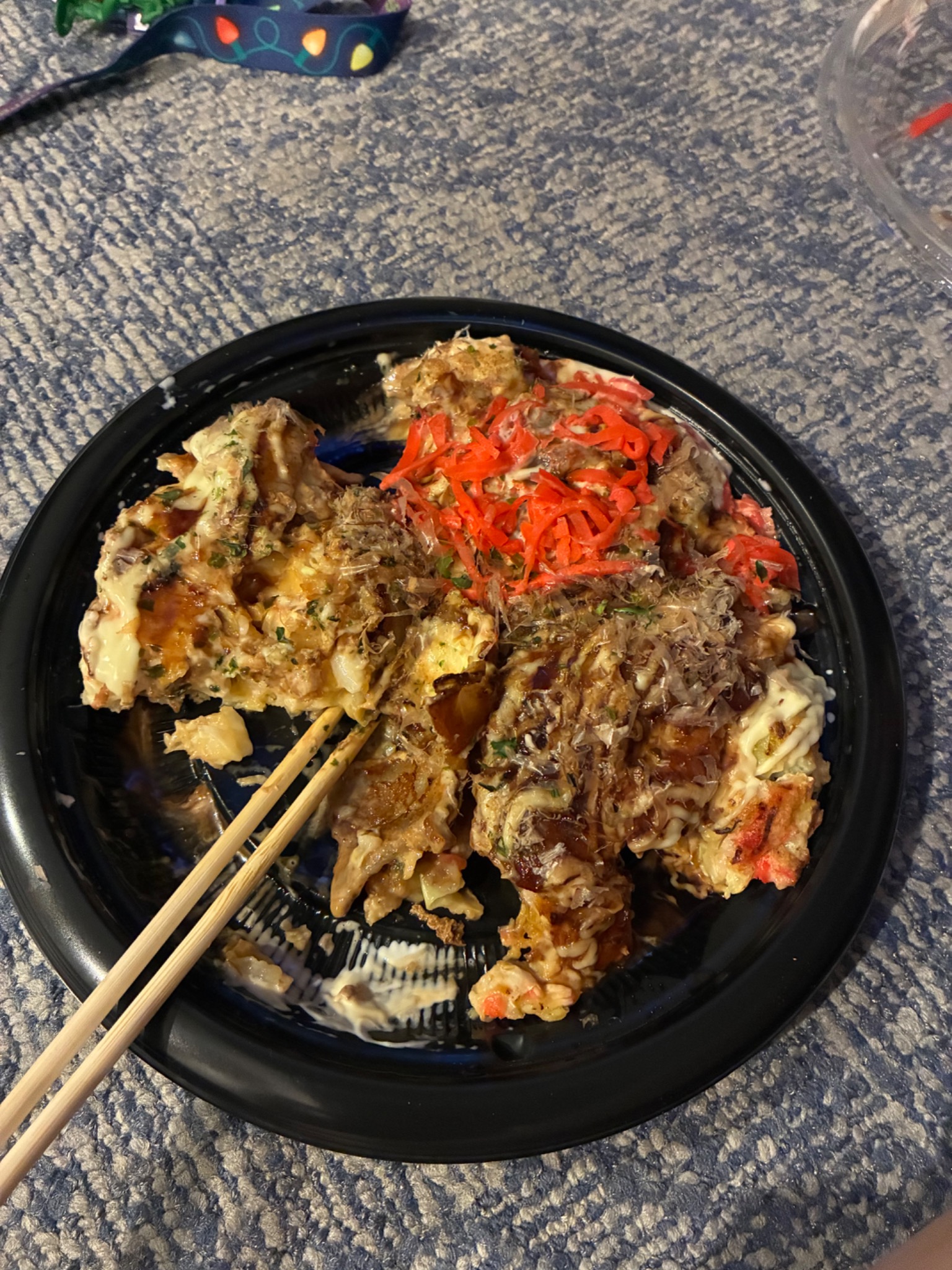
Some of our best meals were not carefully researched destinations. A simple ramen shop near the temple and an okonomiyaki meal became part of the trip because they suited us at the time.
We flew from Tokyo to New Chitose Airport and then caught the train to Tomamu Station, where the Club Med resort bus collected us.
The flight was around an hour and the train journey was around an hour. With airport time and the transfers added, the move took roughly half a day. It was very manageable, but it still helped to treat it as the main event for that day rather than trying to add sightseeing around it.
We stayed from 27 June to 2 July in a Family Superior Room with a mountain view. The five night stay cost AUD 4,010 for three people, booked directly with Club Med. All meals were included. Prices and inclusions change, but that gives some context for what we paid during the summer season.
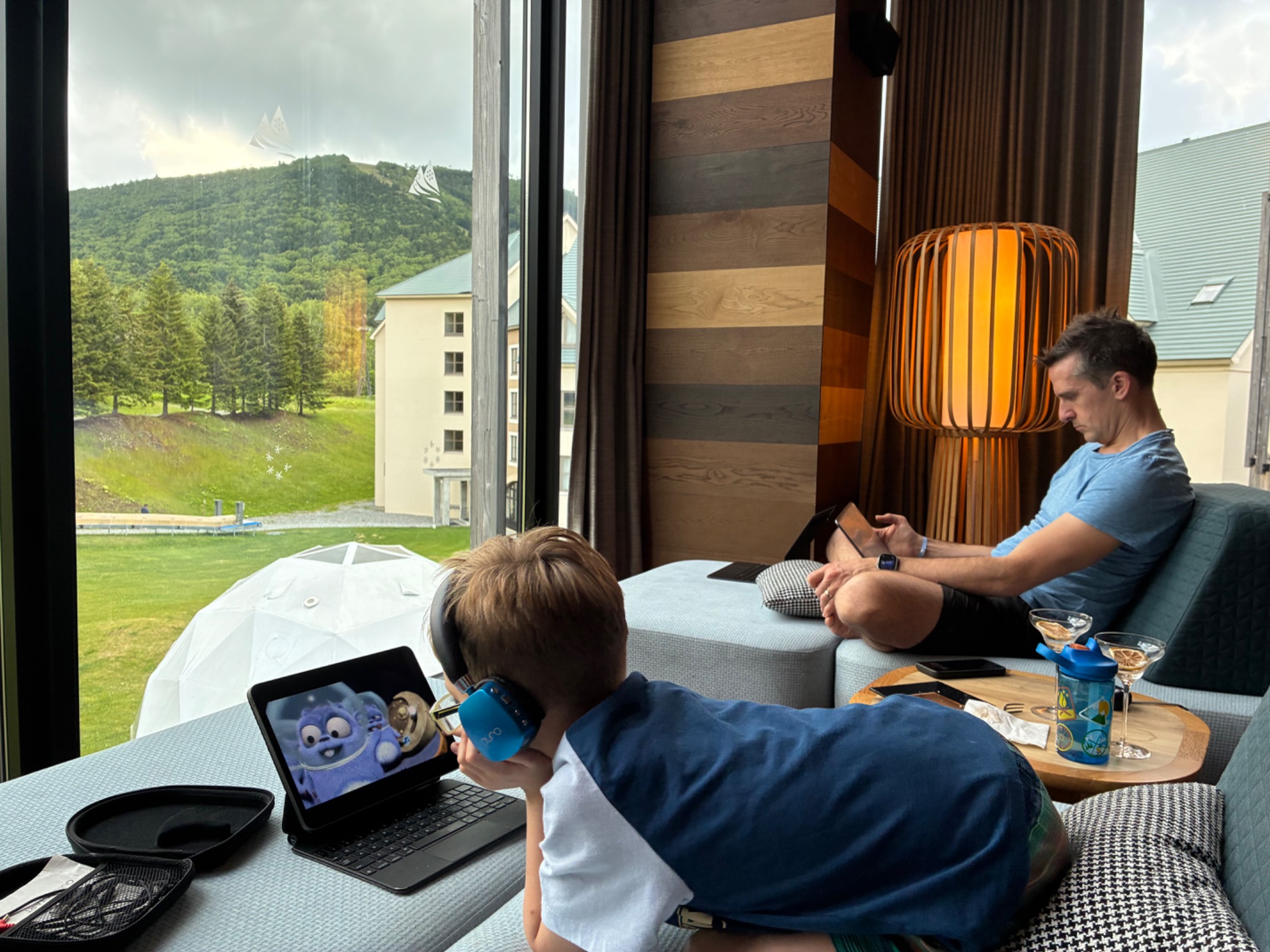
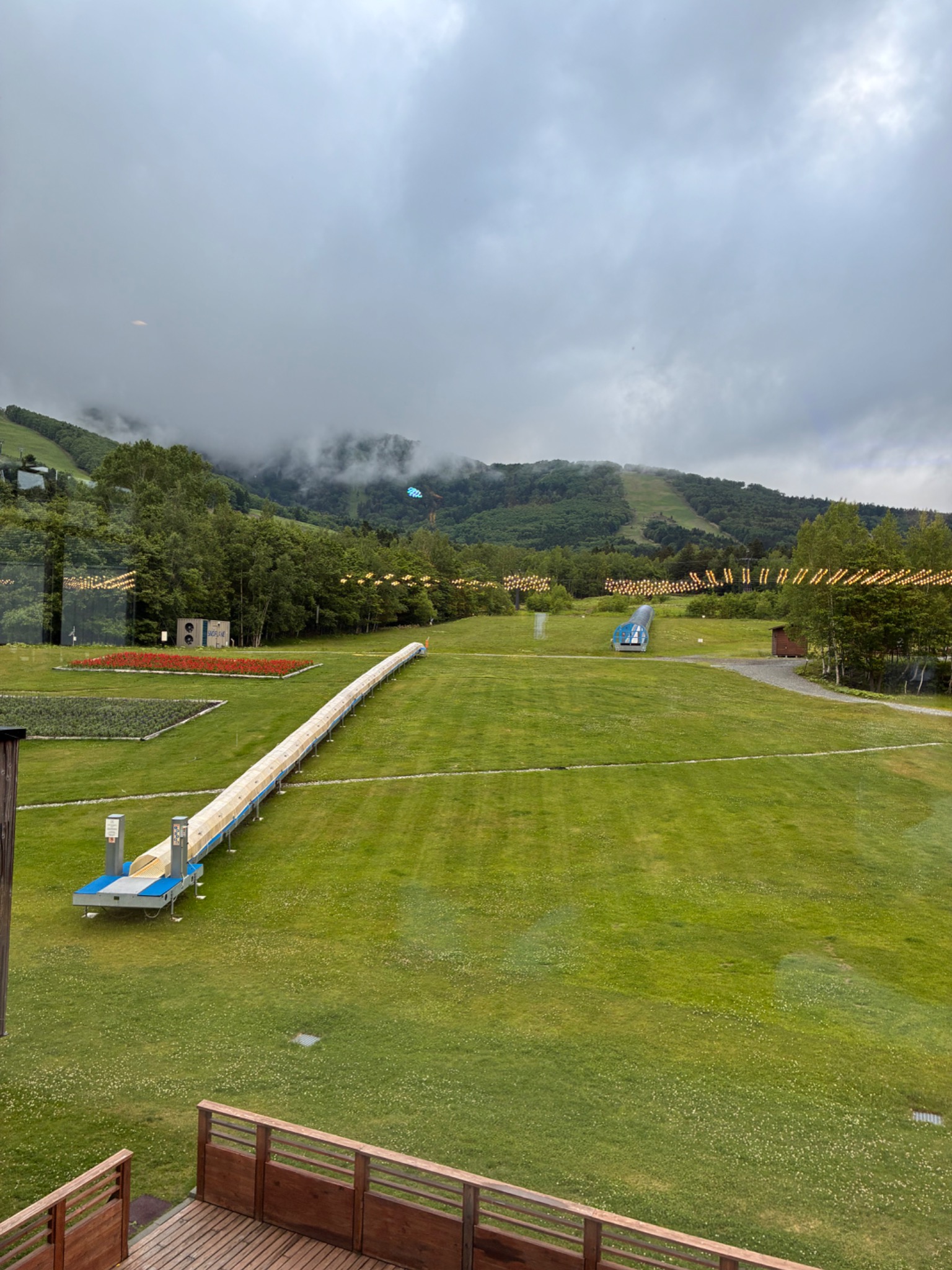
Tomamu is best known as a ski destination, but visiting in summer made it much more affordable and gave us a very different kind of family holiday.
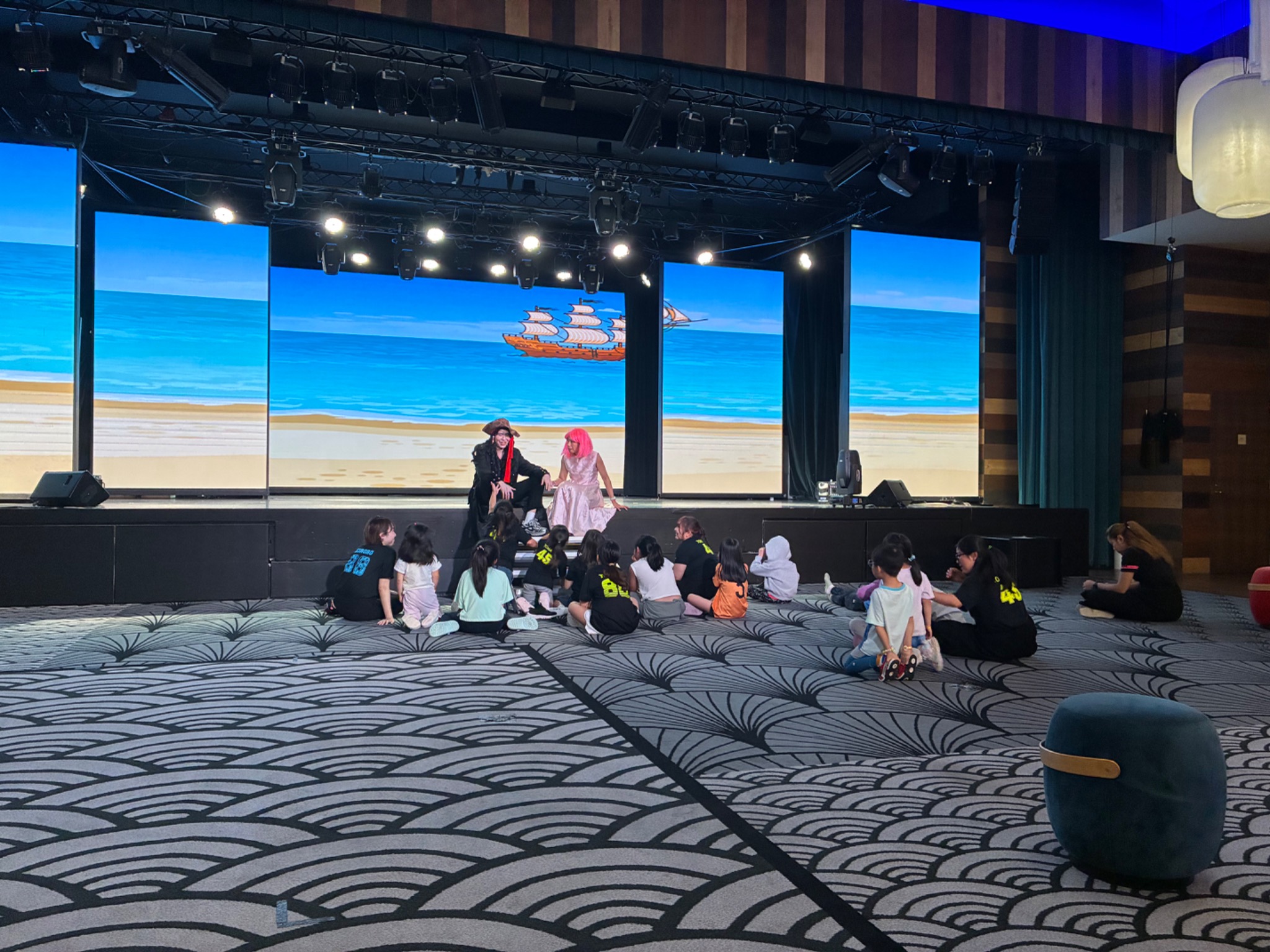
The kids club gave our child structured activities and gave us some time to rest or work. We also played games and chess together, which sounds simple but became one of the reasons the resort worked. With the logistics and meals taken care of, we had more room to slow down as a family.
The food was consistently good. There were Western and Japanese options as well as Malaysian, Indian and other dishes. There was always something our child would eat, but the selection remained interesting for us. Having all meals included removed the daily work of deciding where to eat and what it would cost.
The evening entertainment was another highlight. Our child was very interested in circus at the time, and the nightly performances included aerial silks. The shows gave each day a natural ending without needing to plan another outing.
Family rafting was the standout activity of the trip. It cost extra, but it was something all three of us could do together and it gave the Hokkaido part of the holiday a genuine sense of adventure.
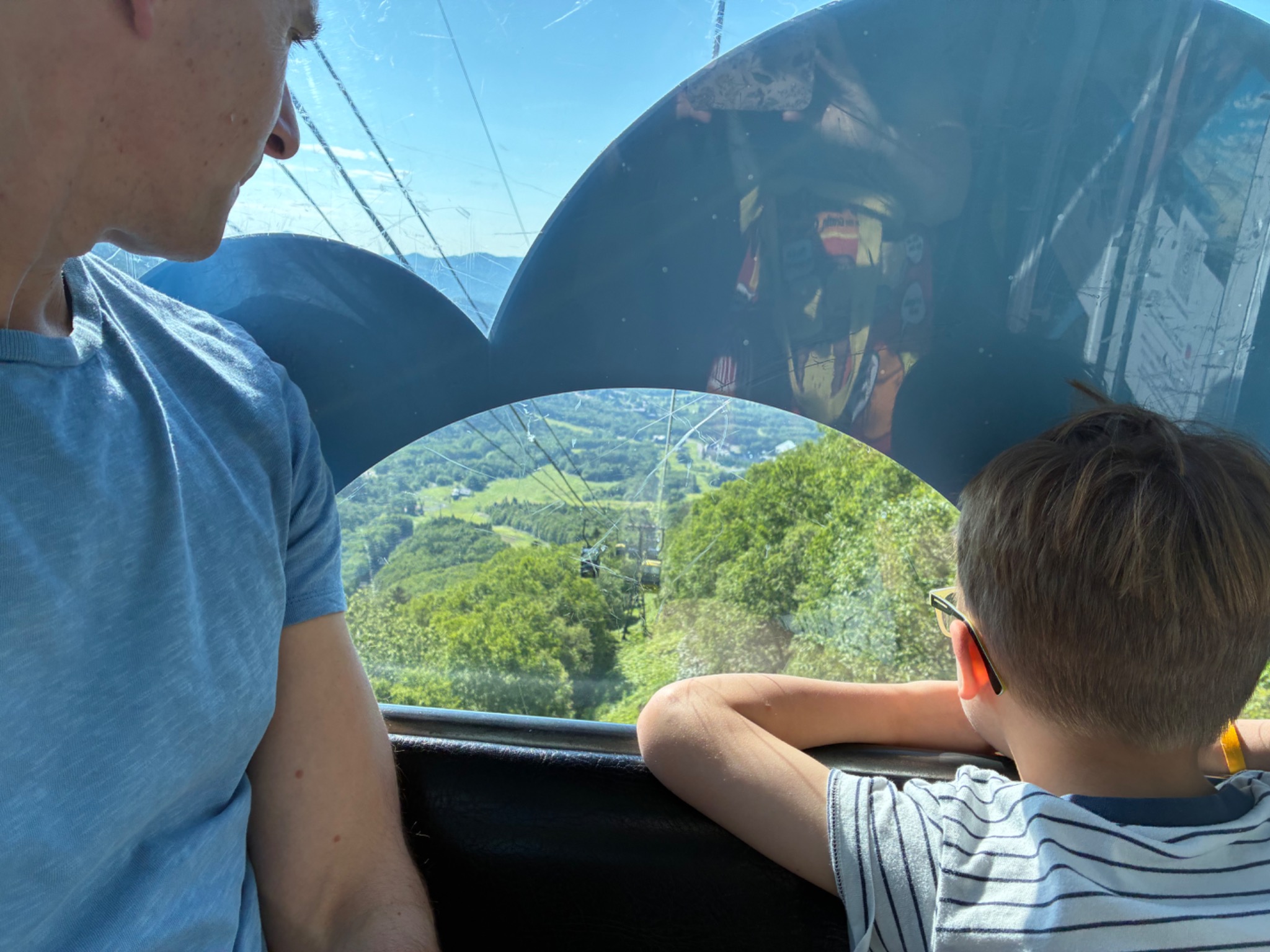
We also used the gondola to visit Unkai Terrace and see the Sea of Clouds. During our stay, the first gondola visit was included and any further trips cost extra. We went later in the morning, after the first rush had eased, and still found the view beautiful.
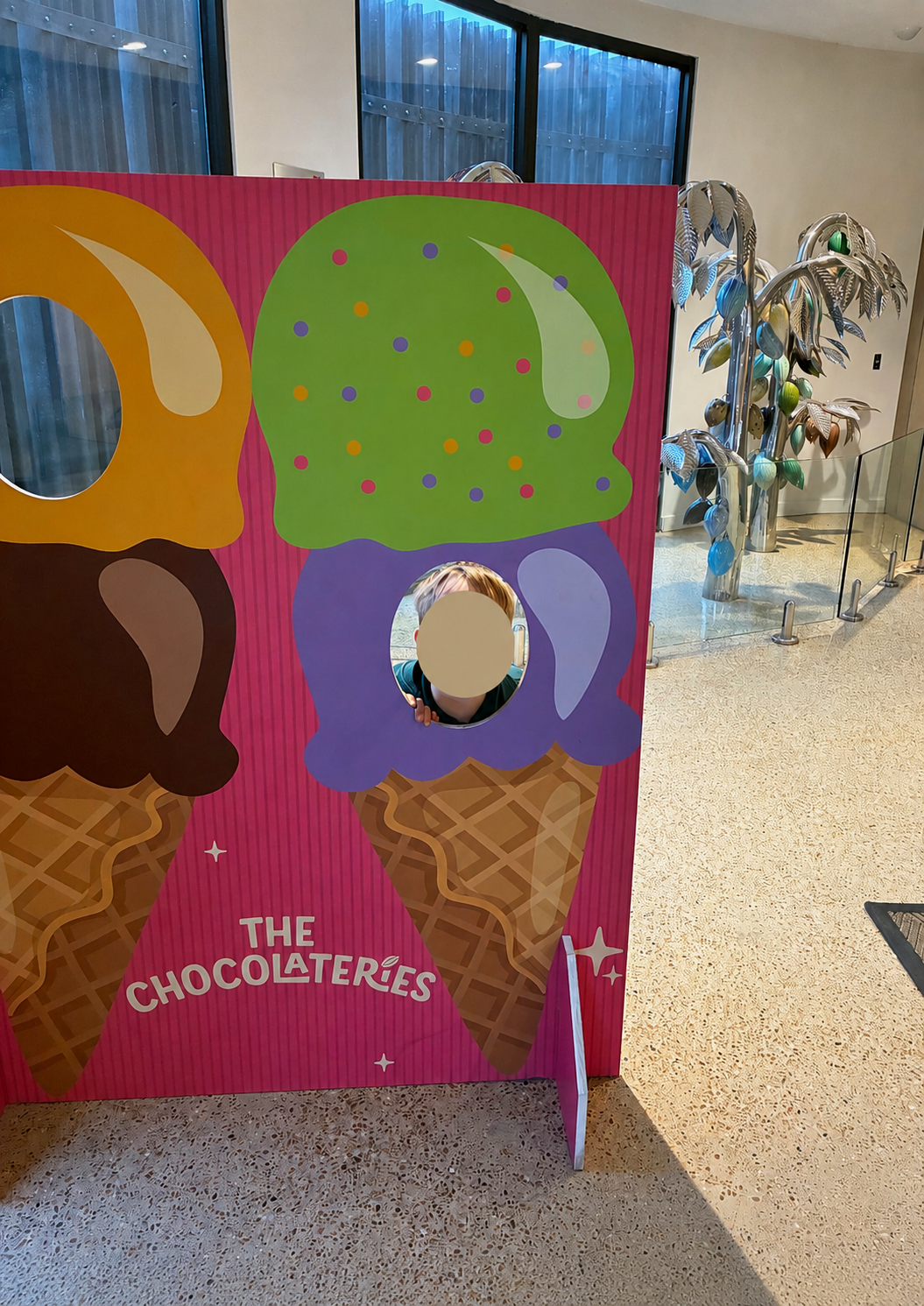
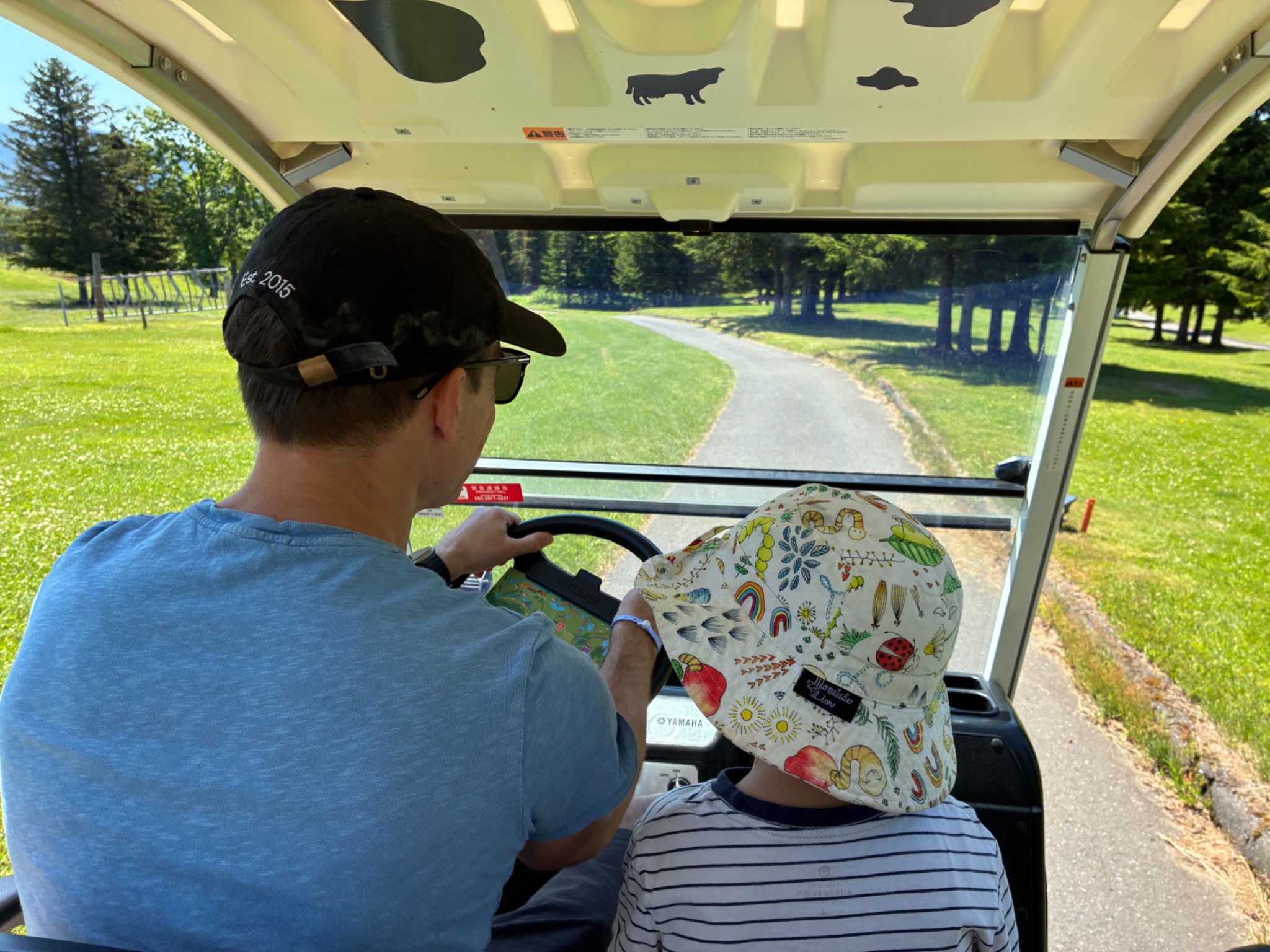
Mina Mina Beach and its wave pool were enormous fun. Nearby, a former golf course has become a farm style activity area where children can ride horses, visit the ice cream shop and travel around in a hired golf buggy. Hiking and bike riding were also available for families wanting to be more active.
After Hokkaido, we returned to OTHER SPACE Asakusa for another three nights. That familiar room helped us settle back into Tokyo and gave the trip a more relaxed rhythm.
For our final night, we moved to Hotel Villa Fontaine Grand Haneda Airport because we had a very early flight. The hotel felt grand, but its real value was convenience. It is directly connected to Terminal 3, so in the morning we simply walked into the airport.
Entry to the onsen was included in the booking we chose. It was beautifully organised and genuinely relaxing, which made it an unusually calm way to finish a family trip. I have since recommended the hotel to my parents, who are staying there on their own visit.
The most useful things we packed were the things we already use at home. We travelled with July suitcases, Nordace packing cubes and my Nordace backpack, which I use for both work and family travel. I carried a Frank Green drink bottle, while the water bottle shown with our child is a CamelBak.
For our child, Puro Sound Labs headphones were useful for listening to Audible stories while colouring or working through sticker books. I also kept simple games in mind for train trips so entertainment did not depend entirely on a screen.
We did not use this exact book on the trip, but this Japan activity book for children aged four to eight is the kind of compact activity I would consider packing for another visit. It combines puzzles, drawing and a simple travel journal in one book.
None of these things removes the tiredness or overstimulation that can come with a busy day in Tokyo. They simply gave us more ways to pause, reset and get through the quieter parts of the journey.
These are the three places that shaped the route. We would stay at each of them again, but for different reasons: familiarity and location in Asakusa, easy family time in Hokkaido, and a calm departure from Haneda.
Our Tokyo base before and after Hokkaido
A room for three with a double bed, futon and laundry, close to Sensōji Temple, restaurants and everyday conveniences.
Check current availabilityFive nights in Hokkaido
We booked a Family Superior Room with a mountain view. All meals were included and the summer activities gave us a good balance of family time and space to slow down.
View Club Med TomamuOur final night before an early flight
Directly connected to Haneda Terminal 3, with entry to the onsen included in the booking we chose.
Check current availabilityWhat we brought home
This trip worked because it was not one long race through Japan. Tokyo gave us energy, familiar places and a day at Disneyland. Hokkaido gave us mountains, good food, family activities and time to stop. Returning to the same hotel made the second half of Tokyo easier, and the final night at Haneda made leaving simple.
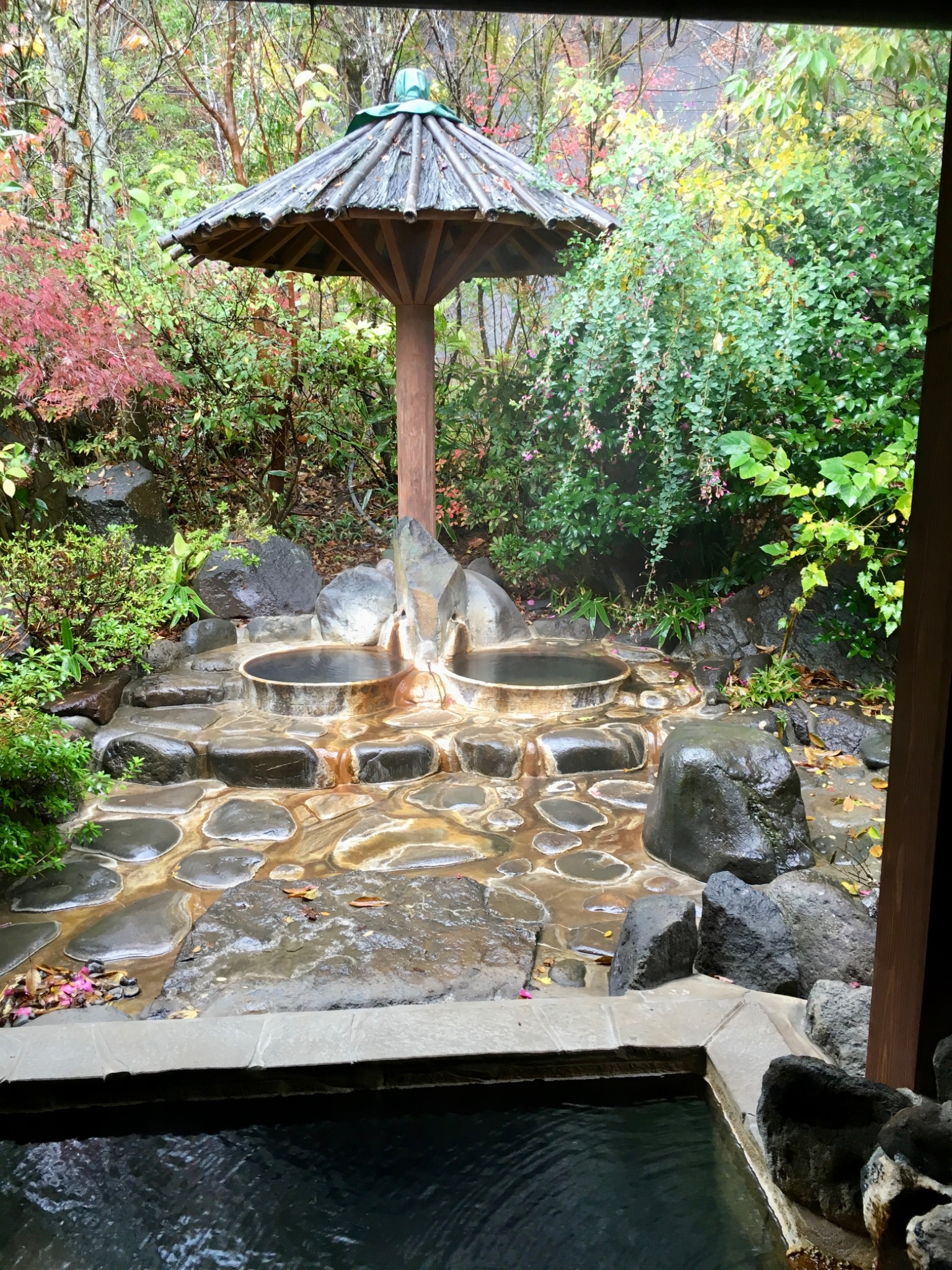
The buildings, materials and landscapes also stayed with me. Japan has repeatedly influenced the way I think about calm spaces, natural materials and the relationship between indoors and outdoors. I have written more about that in Two Japanese Baths I Still Think About.
Perhaps most importantly, the trip gave me the space to begin Great Ocean Road Living. It feels fitting that a project about homes, travel, beautiful places and living well began while our own family was moving between the intensity of Tokyo and the green quiet of Hokkaido.
More from Great Ocean Road Living
Disclosure: This article contains an Amazon affiliate link. As an Amazon Associate I earn from qualifying purchases. This comes at no extra cost to you.