Renovation planning
How I Keep a Home Renovation Project Organised
I have never managed a home renovation using one perfect spreadsheet or a carefully maintained project management system. My approach is much more practical: I map out the whole project, work out what needs to happen next and use a mixture of paper, spreadsheets, photographs and experience to keep it moving. The most important thing is having a clear idea of the end goal and a simple path for getting there.
For a renovation involving several parts of the house, the Big Picture Renovation Planner can help work out the overall direction before planning each project.
I start with a hand-drawn map
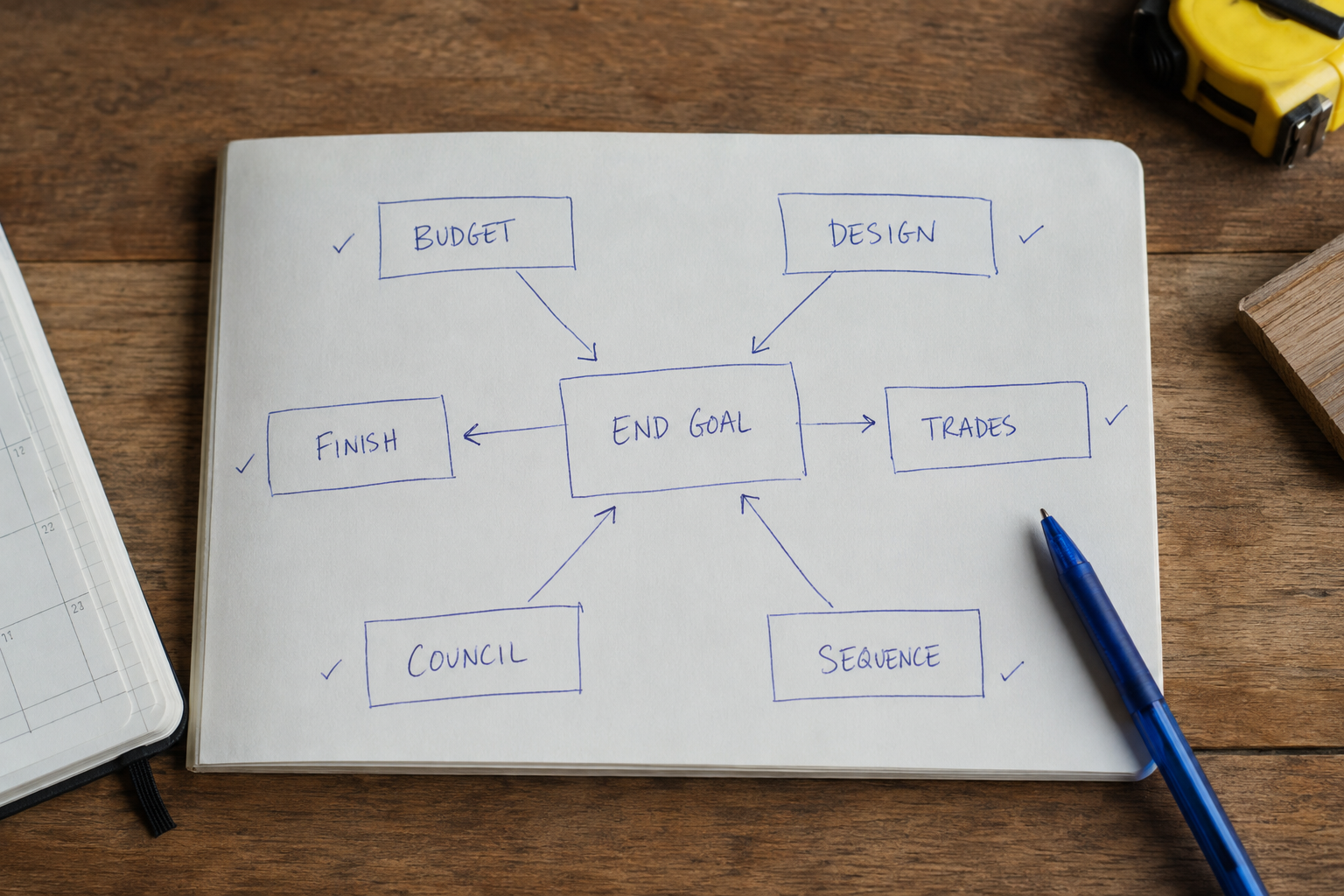
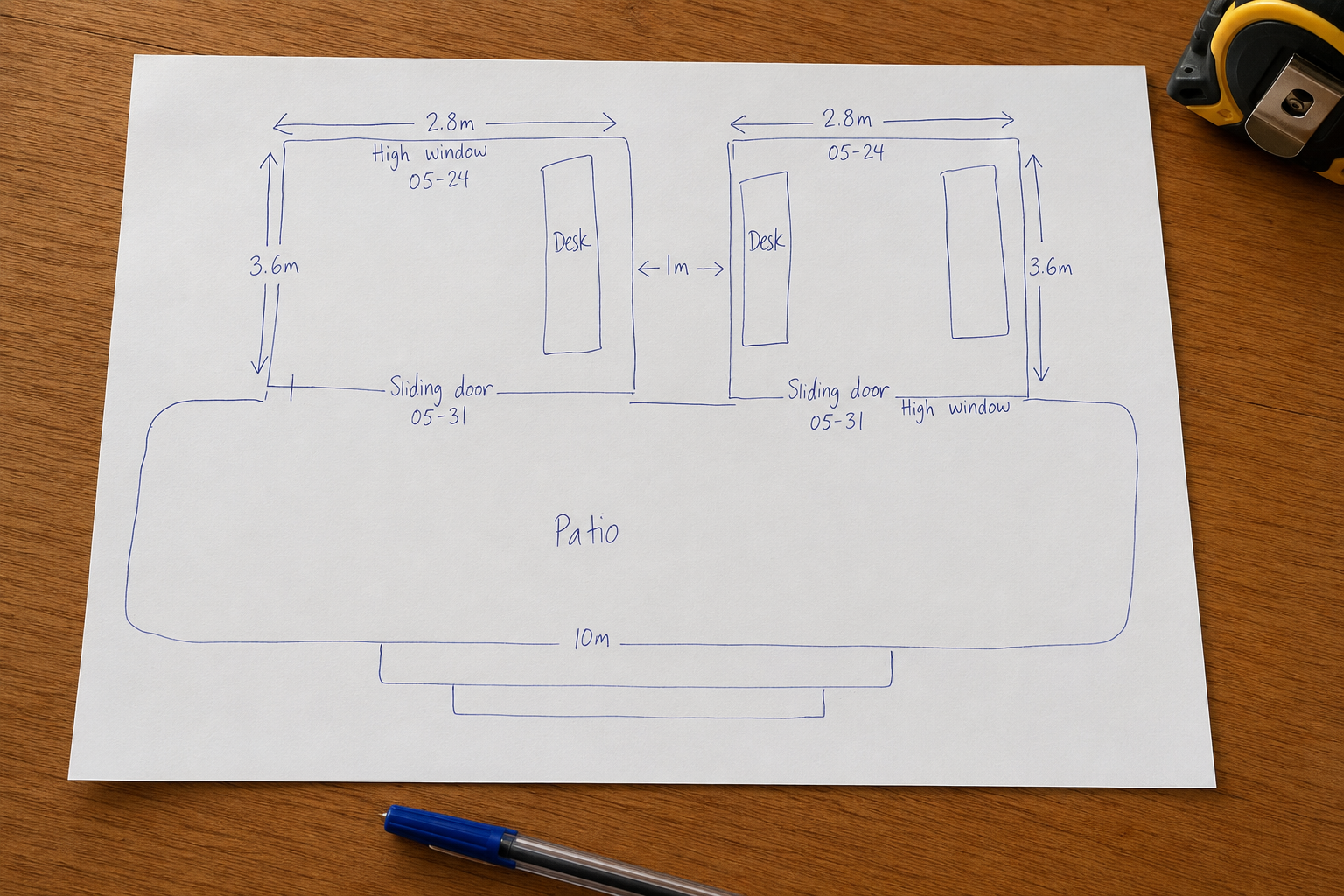
At the beginning of a project, I sit down with a piece of paper and map it out from start to finish.
It is usually a loose mind map with boxes, arrows and notes rather than a detailed schedule. I start with the overall goal and work backwards: What has to happen to get there? Who needs to be involved? Which decisions need to be made first?
It does not have to look neat or make sense to anyone else. Its purpose is to get the project out of my head and help me see the whole process.
This also helps stop a project from becoming unnecessarily complicated. Renovations can quickly become disorganised when you try to do too much at once, keep adding ideas or lose sight of what you originally wanted to achieve.
My system is deliberately mixed
Once a project is underway, I use several different tools to keep track of it.
I keep a notebook nearby for jotting down measurements, questions, phone numbers and things I need to remember. I do not often go back through my old notebooks. Writing things down simply helps me process the information and decide what needs to happen next.
I also use a Steph Pase Business Planner to organise my broader priorities and tasks.
For the renovation budget, I use an Excel spreadsheet. I begin with the total amount we have available, estimate how much each part of the project might cost and then break those figures down as the scope and quotes become more definite. I also record what has already been paid, so I can see what is still outstanding.
It is not a complicated system, but it gives me enough information to make decisions without turning the administration into another project of its own.
I take photographs of everything
Photographs are useful for the obvious before-and-after comparison, but I also use them as a practical planning tool.
I often think of a new location for a piece of furniture, an appliance or another part of the renovation when I am nowhere near the room. Looking back through my photos helps me remember how much space is available and whether the idea might actually work.
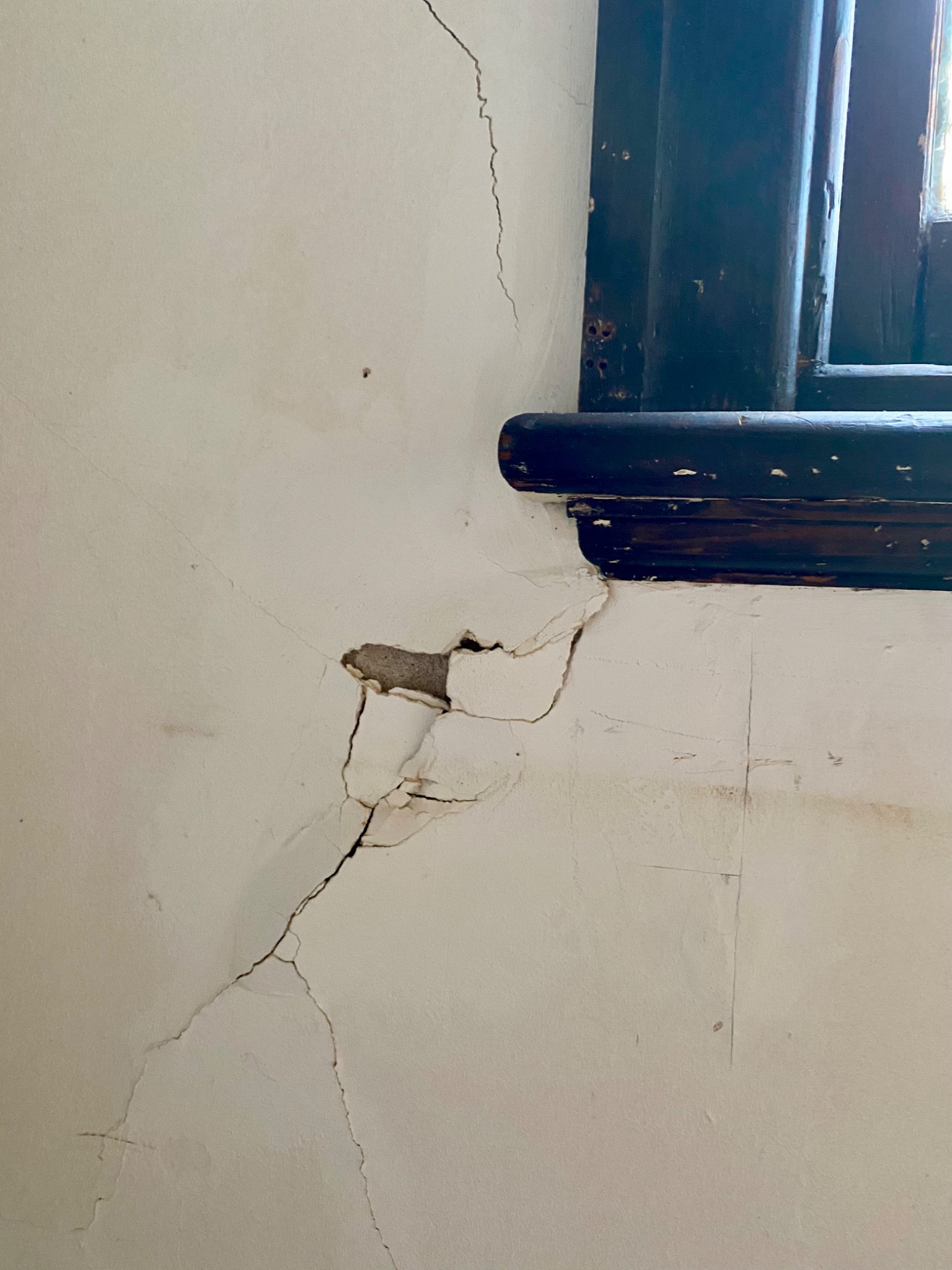
Progress photos can also show what was there before something was covered, removed or changed. They give me something concrete to refer to when I am explaining a problem to a trade or trying to remember why we made a particular decision.
I test new trades on smaller jobs
Finding the right trades and professionals is one of the most important parts of keeping a renovation moving.
I often start with Google, recommendations and Airtasker. Airtasker has been particularly useful for finding someone for a small job before considering them for something larger. It lets me see the quality of their work, how they communicate and whether they are reliable without committing to a major project immediately.
When I find a trade I like, I ask who they recommend for the next stage. Good trades usually know other good people. Over time, this has helped me develop a reliable network.
I still compare quotes, but price is only one part of the decision. The person needs to understand the context of the job, the materials they will be working with and the location of the property. On our current property, that also means understanding council requirements, planning overlays and the complications that can come with working in a rural area.
There is also a certain amount of instinct involved. I pay attention to whether someone listens, asks sensible questions and seems genuinely interested in finding the right solution. The ‘vibe check’ matters when someone will be working in your home or becoming part of a longer project.
Good relationships make projects easier
I follow people up diplomatically, but I also work hard to be someone trades and professionals want to work with.
That means communicating clearly, being organised, respecting their time and making decisions when they need them. Building a good relationship makes it much easier to solve problems together when something unexpected happens.
Renovations rarely go exactly to plan. If people know that you are reasonable, responsive and genuinely value their work, they are much more likely to help when you need them.
The order of the work matters
Understanding which job needs to happen before another comes partly from experience, and sometimes from learning the hard way.
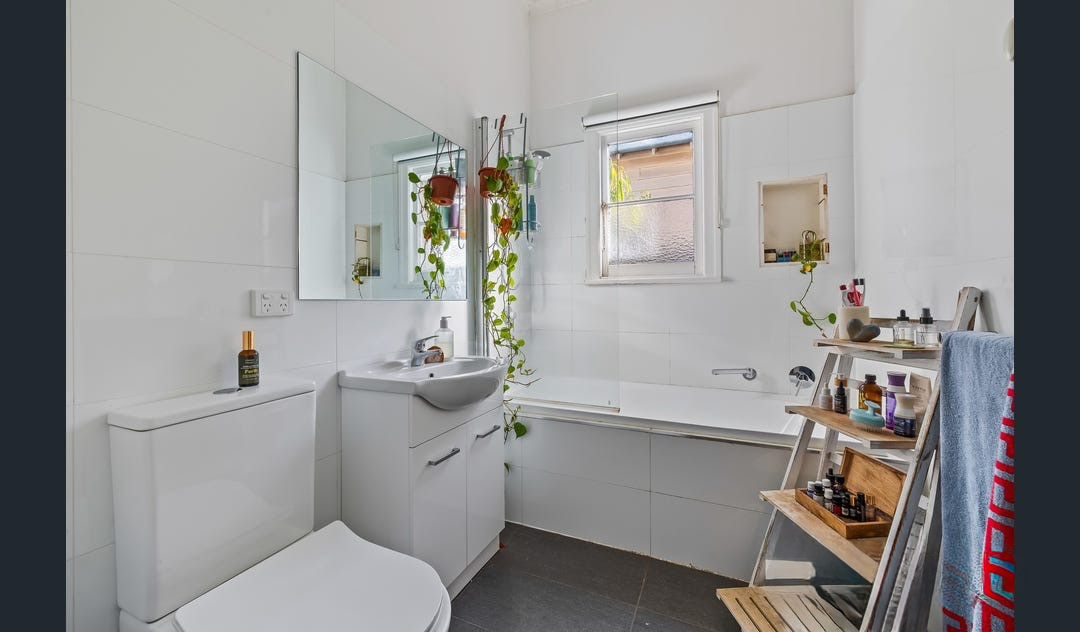
During the bathroom renovation at our first house, we had the framing completed before getting the bath into the room. We then discovered that the bath would no longer fit through.
It did eventually go in, but it had to be sealed from the outside, which was far from ideal. It was a memorable lesson in checking access and sequencing before closing anything up.
Now I map out the trades and think carefully about the dependencies between them. Rough-ins need to happen before walls are closed. Measurements need to be confirmed before items are ordered. Access needs to be checked before large fixtures arrive.
You do not need to understand every technical detail yourself, but you do need to know what questions to ask and which decisions could affect the next person’s work.
Keep the system as simple as possible
The best renovation organisation system is one you will actually use.
For me, that means a hand-drawn map to see the overall project, a notebook for working through ideas, Excel for the budget, a planner for priorities and plenty of photographs.
None of these tools needs to be perfect. They simply need to help you understand where the project is going, what needs to happen next and who needs to be involved.
The real skill is not creating a flawless plan. It is keeping the end goal in sight, building good relationships and adapting when the project inevitably changes.
I've ended up using the same basic approach across our renovation projects, so I turned it into a Home Renovation Project Planner for anyone who wants somewhere to keep the decisions, costs, quotes and other project details together.
More from Great Ocean Road Living