DIY project
Replacing and Painting the Fences Around Our Old House
The fences around our old house were another project that looked fairly straightforward until I actually started working out what needed to happen. One side fence was falling down. The front fence wasn't much better. But replacing them wasn't simply a matter of calling a fencing contractor and asking them to put up something new. I needed to work out what we were allowed to build, talk to our neighbours, find someone to do the work we couldn't do ourselves, consider the heritage character of the house and then decide what parts of the project I could tackle myself. In the end, the side and front fences became quite different projects.
The side fence started with a conversation with the neighbours
One side fence was in poor condition and needed to be replaced professionally.
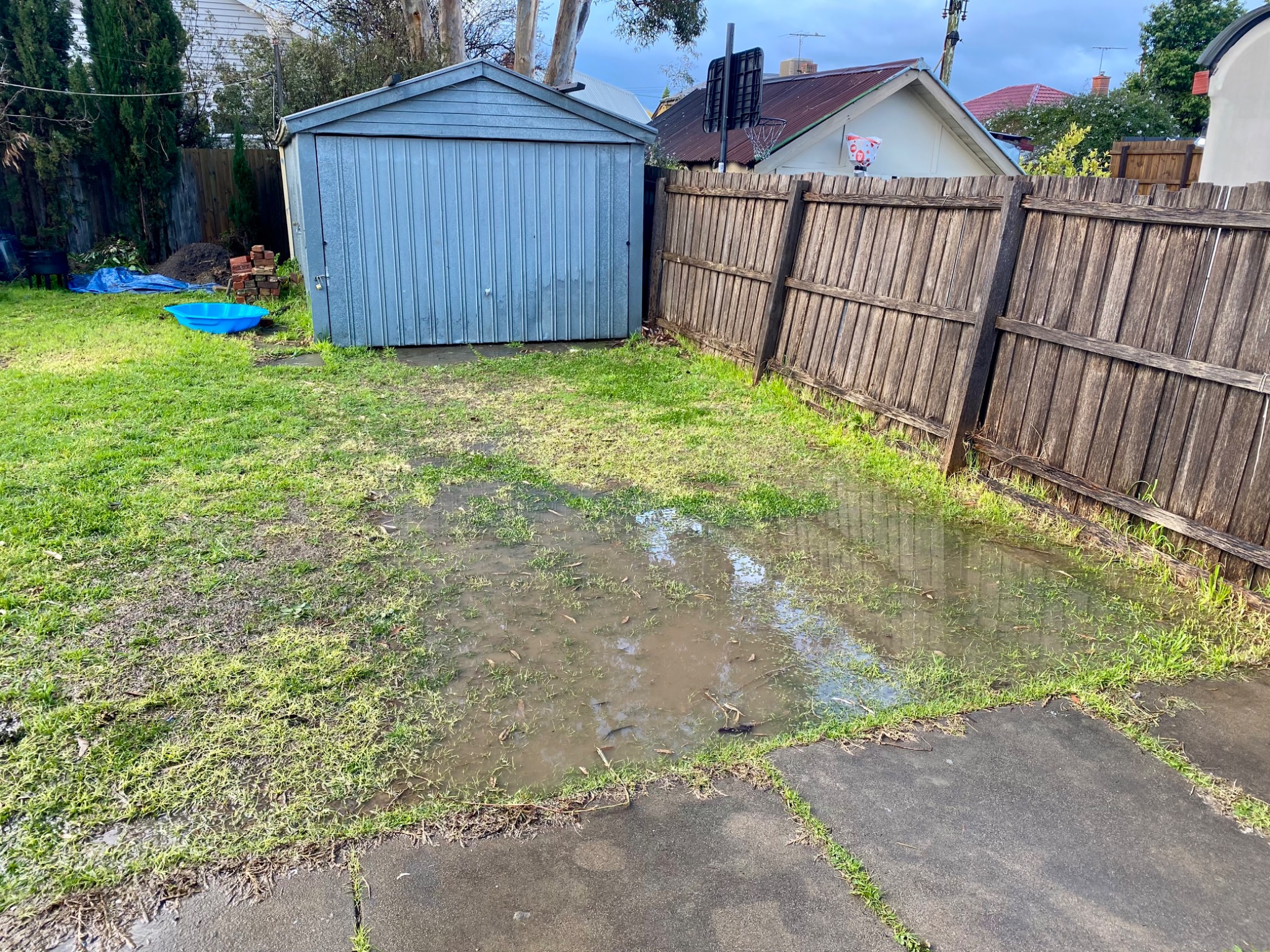
Before organising the work, I spoke with our neighbours.
Privacy was important to us, so I wanted to know whether we could replace the existing fence with something taller.
Rather than simply assuming we could, I checked the council requirements to understand what was allowed and then worked through the decision with our neighbours.
It was a relatively small project, but there were still several things that had to line up before anyone started building.
What were the rules?
What height could we have?
What did our neighbours think?
Who was going to build it?
And what parts did we want to do ourselves?
Once we had worked all of that out, I found a professional to replace the side fence.
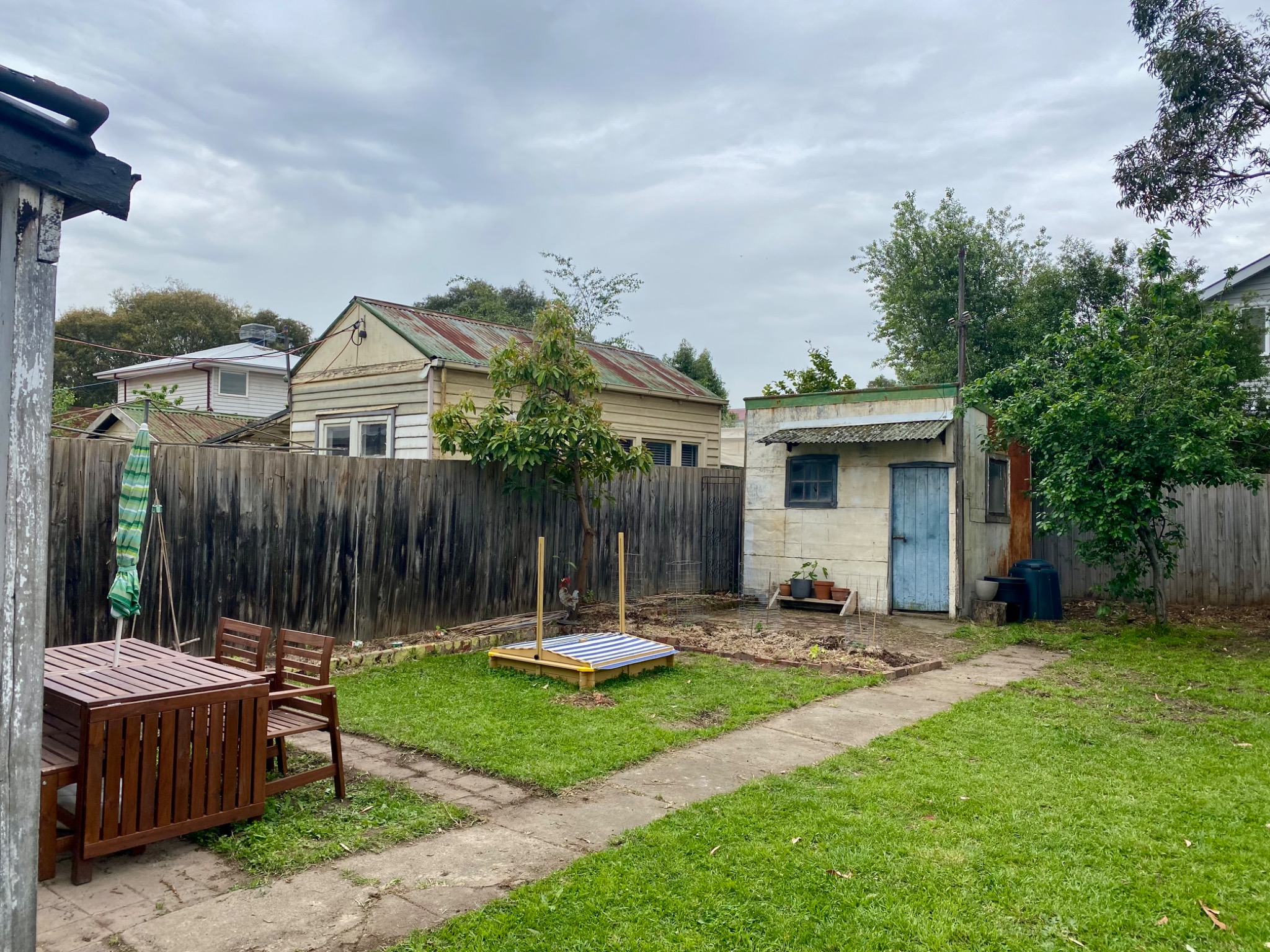
That part of the job wasn't something I wanted to DIY.
Painting it was.
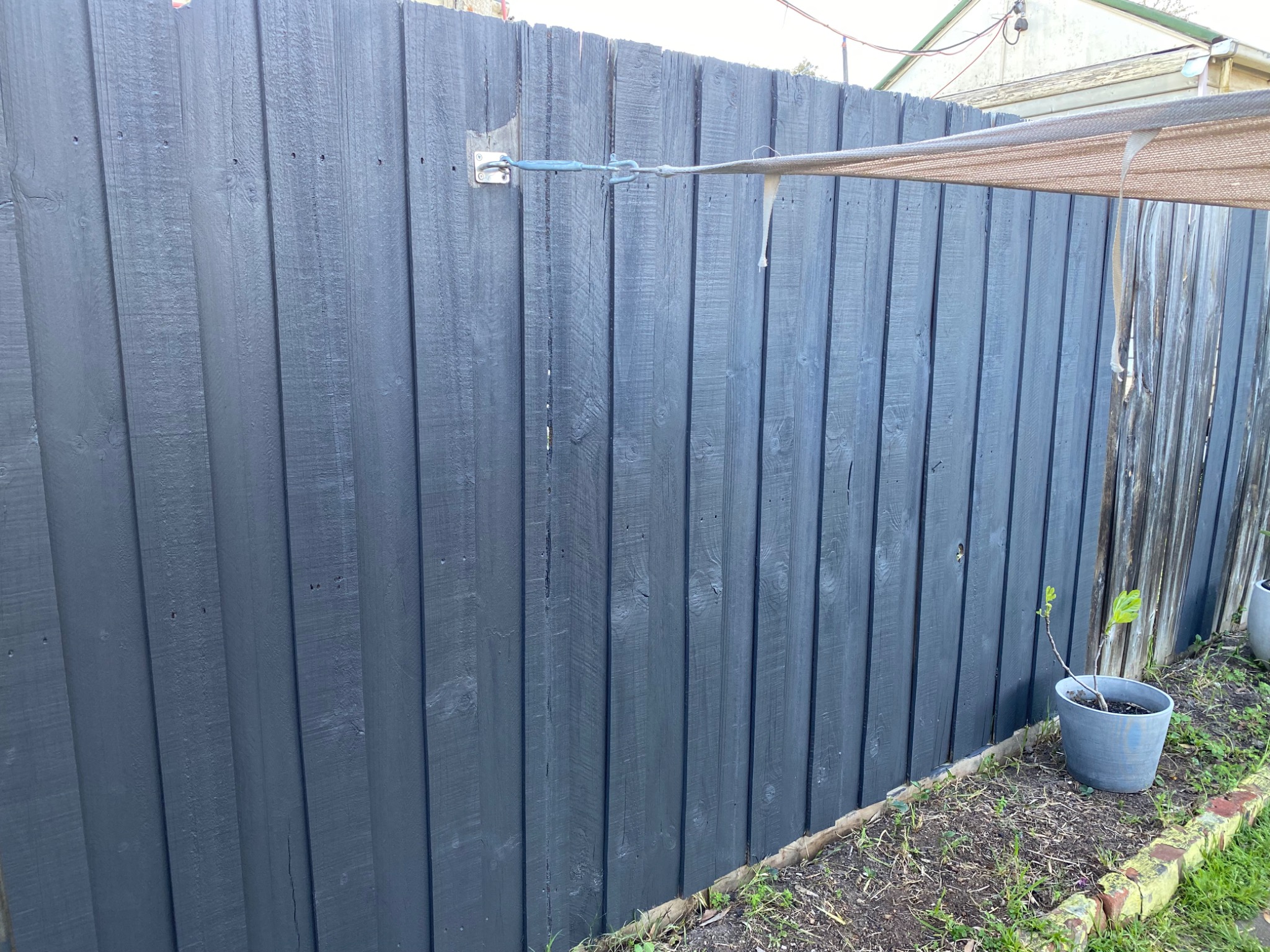
I painted the new fence myself
Once the new fence was up, I researched exterior paint and decided to use Dulux paint in Monument.
I also bought the brushes, paint tray and other basic equipment I needed and did the painting myself.
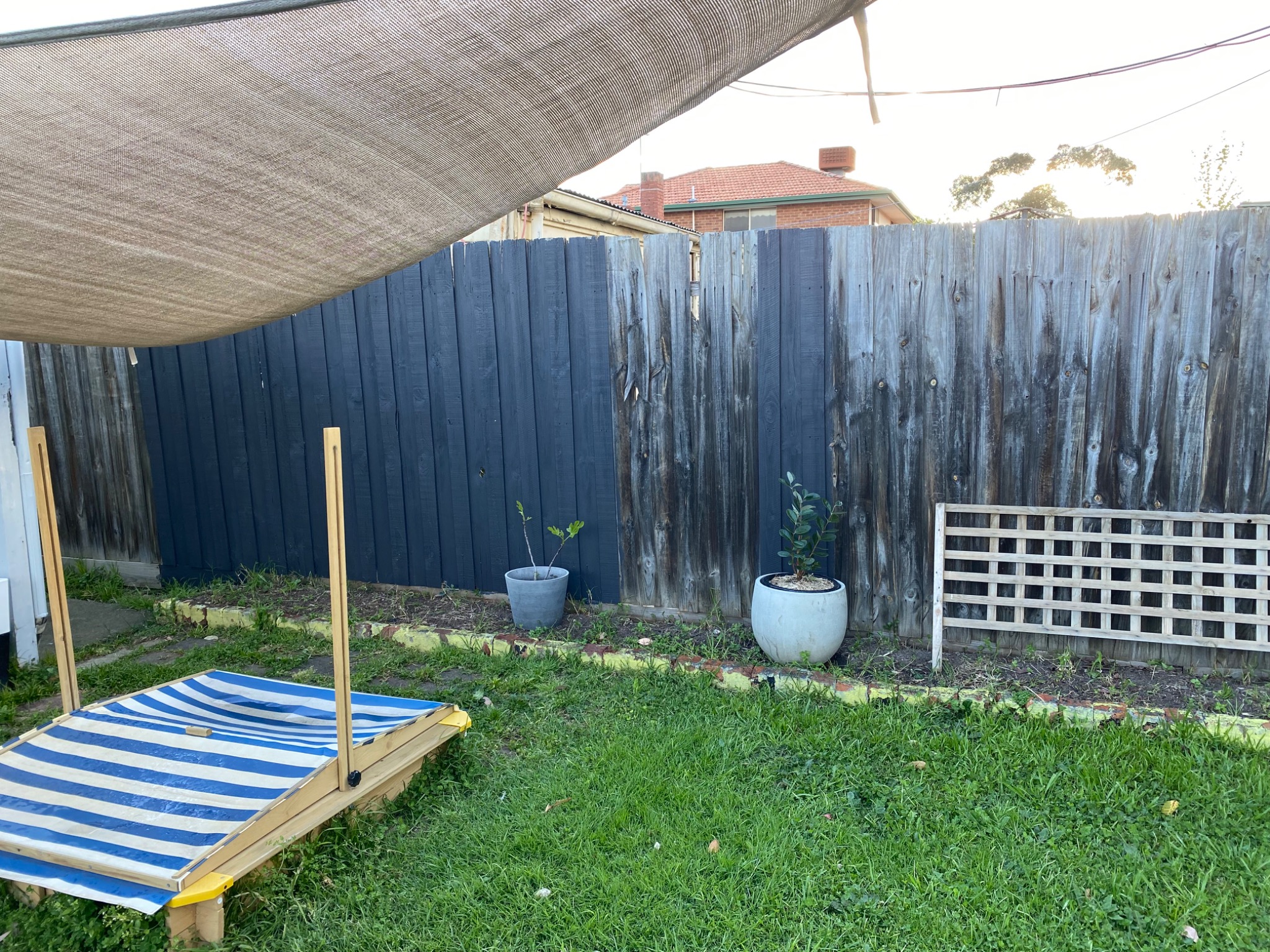
The experience was very different from painting our old house, which had needed much more follow up and rectification.
Some people prefer to use a roller or spray a fence.
I prefer a brush.
I find I can really work the paint into the timber and get the coverage I want without feeling like I need to go back and do another full coat.
It obviously isn't the fastest possible way to paint a fence, but I actually quite enjoy it.
There's something quite meditative about standing there working your way along one section at a time.
Very Karate Kid.
Wax on, wax off.
Except it's an enormous fence.
The basic painting gear I used
You don't need an enormous collection of equipment to paint a timber fence.
A good wide paint brush (paid link) and a simple plastic paint tray (paid link) did most of the work for me.
The front fence was a completely different decision
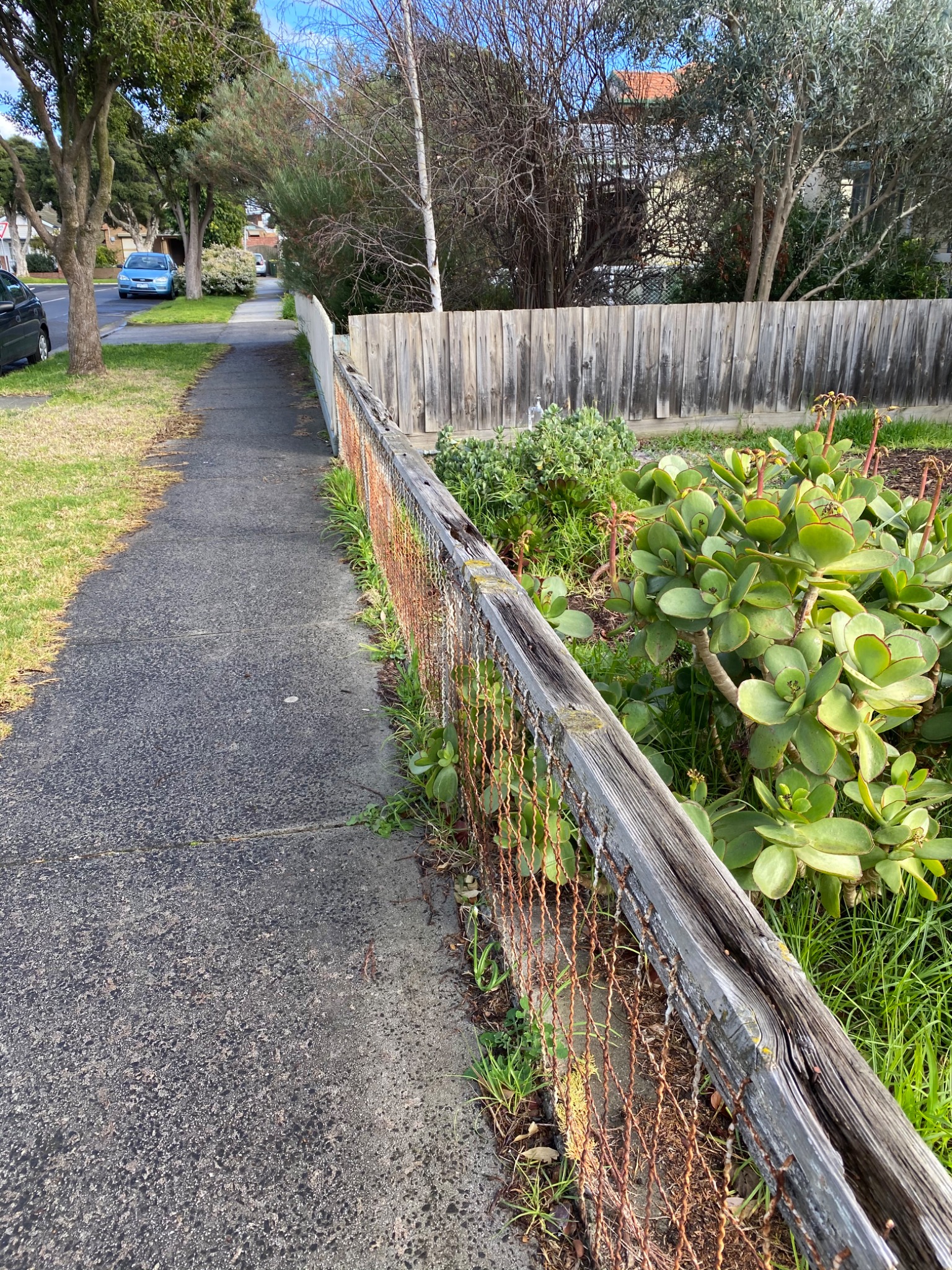
The front fence was old and falling down too.
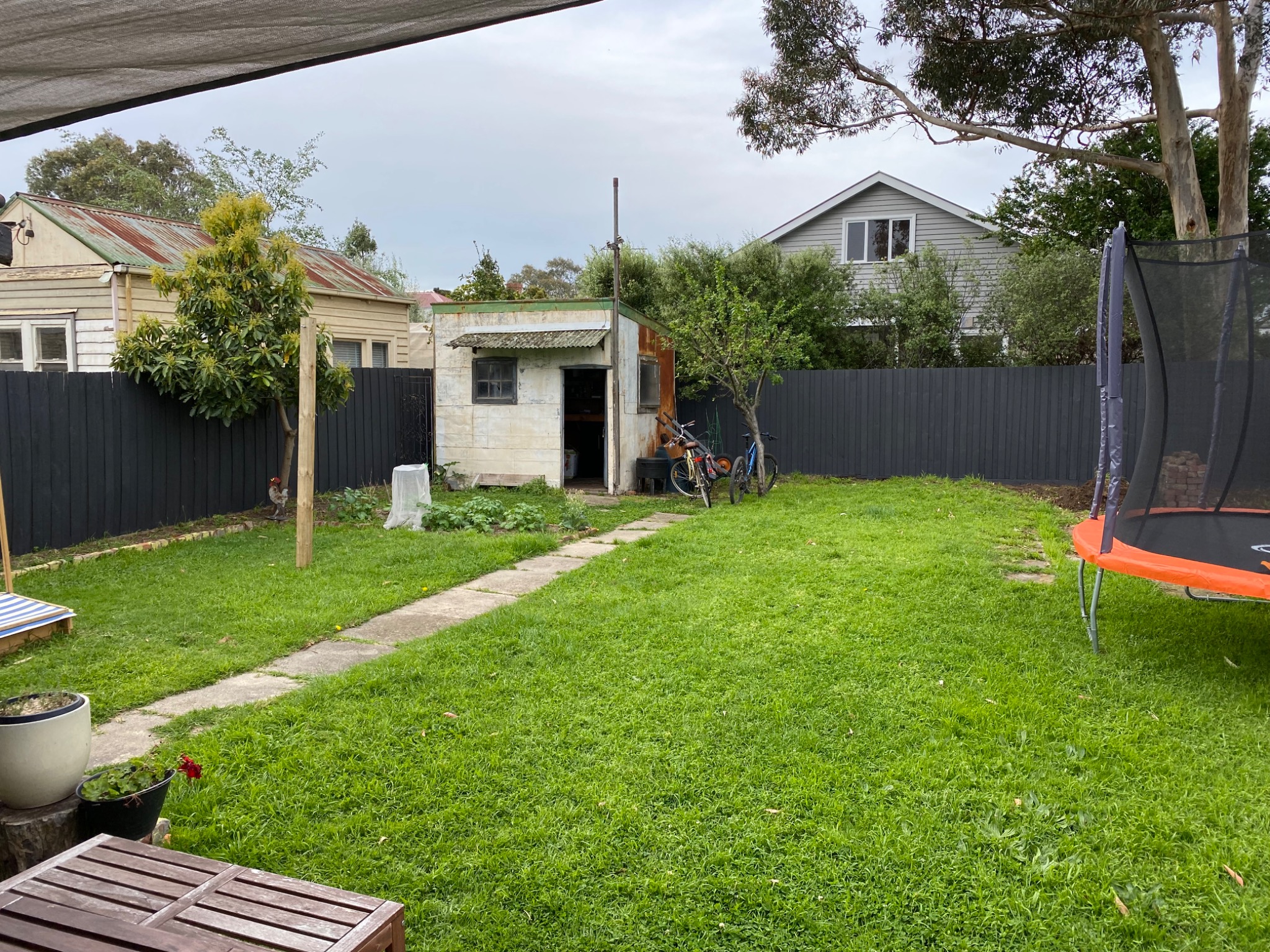
I took that one down myself.
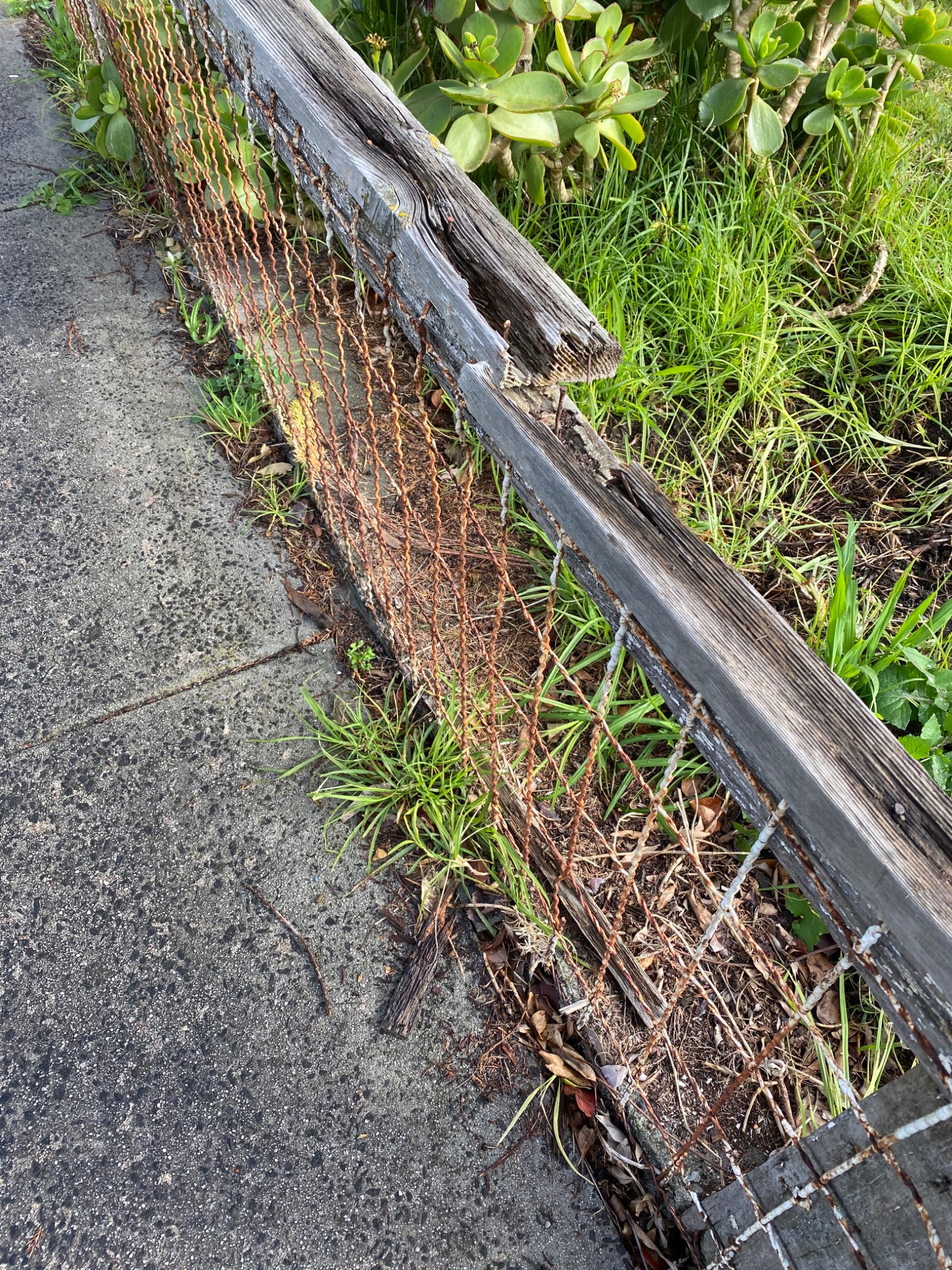
But I didn't immediately replace it.
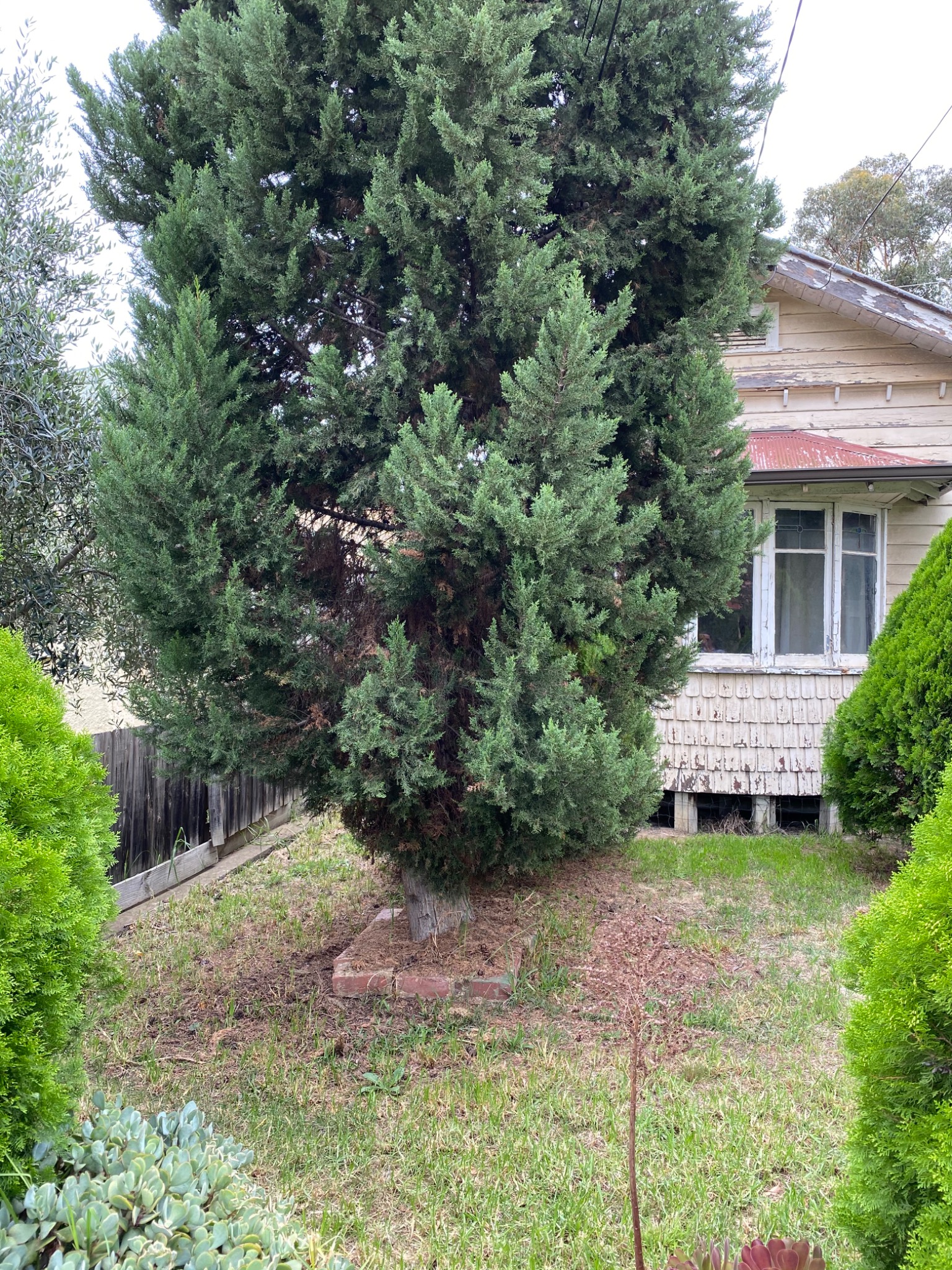
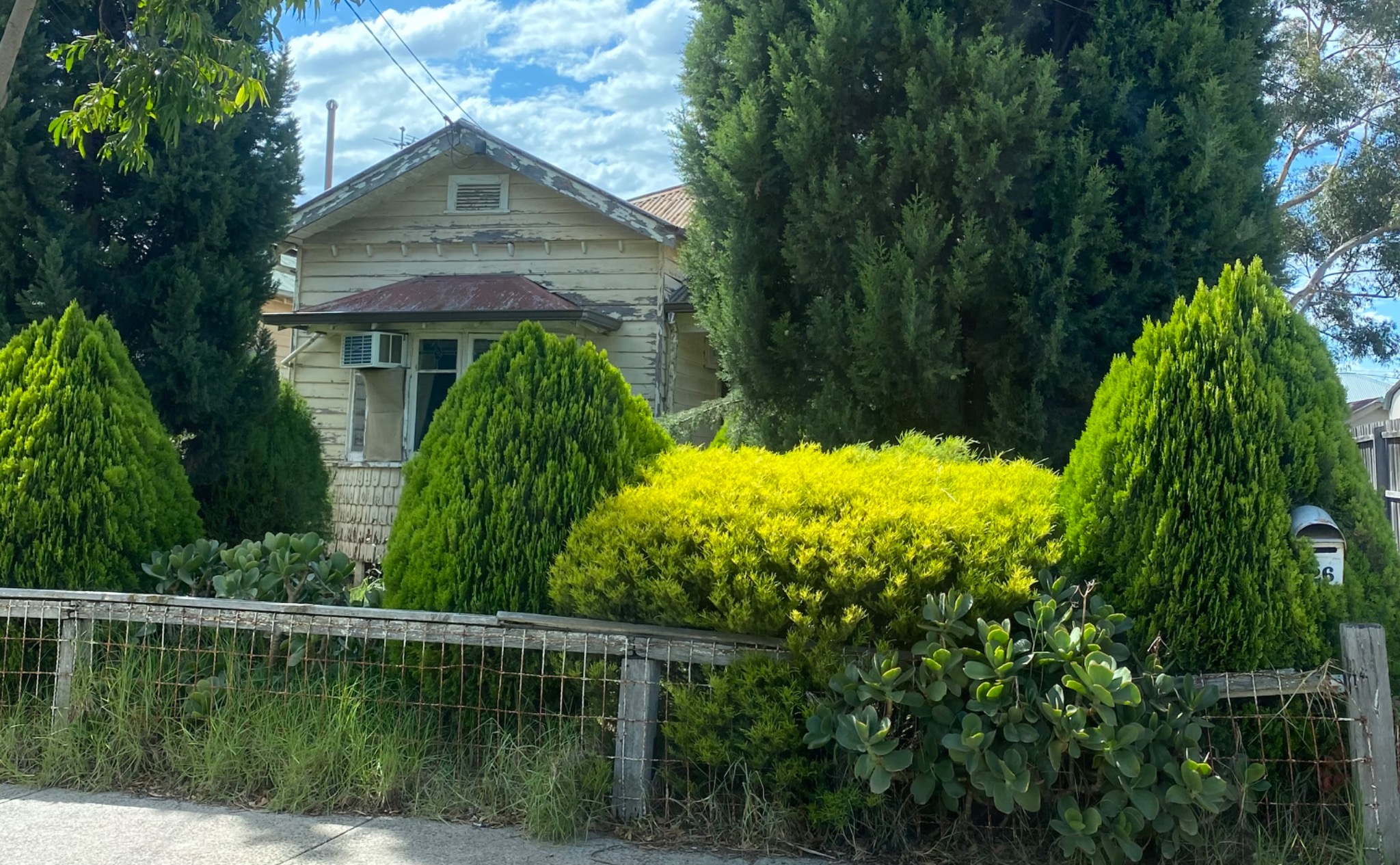
At around the same time, we were dealing with the incredibly overgrown front garden, so it made much more sense to clear that first.
You can read more about what we learned clearing our overgrown garden.
Once the old vegetation and fence were gone, we could properly see the front of the house and think about what should go back.
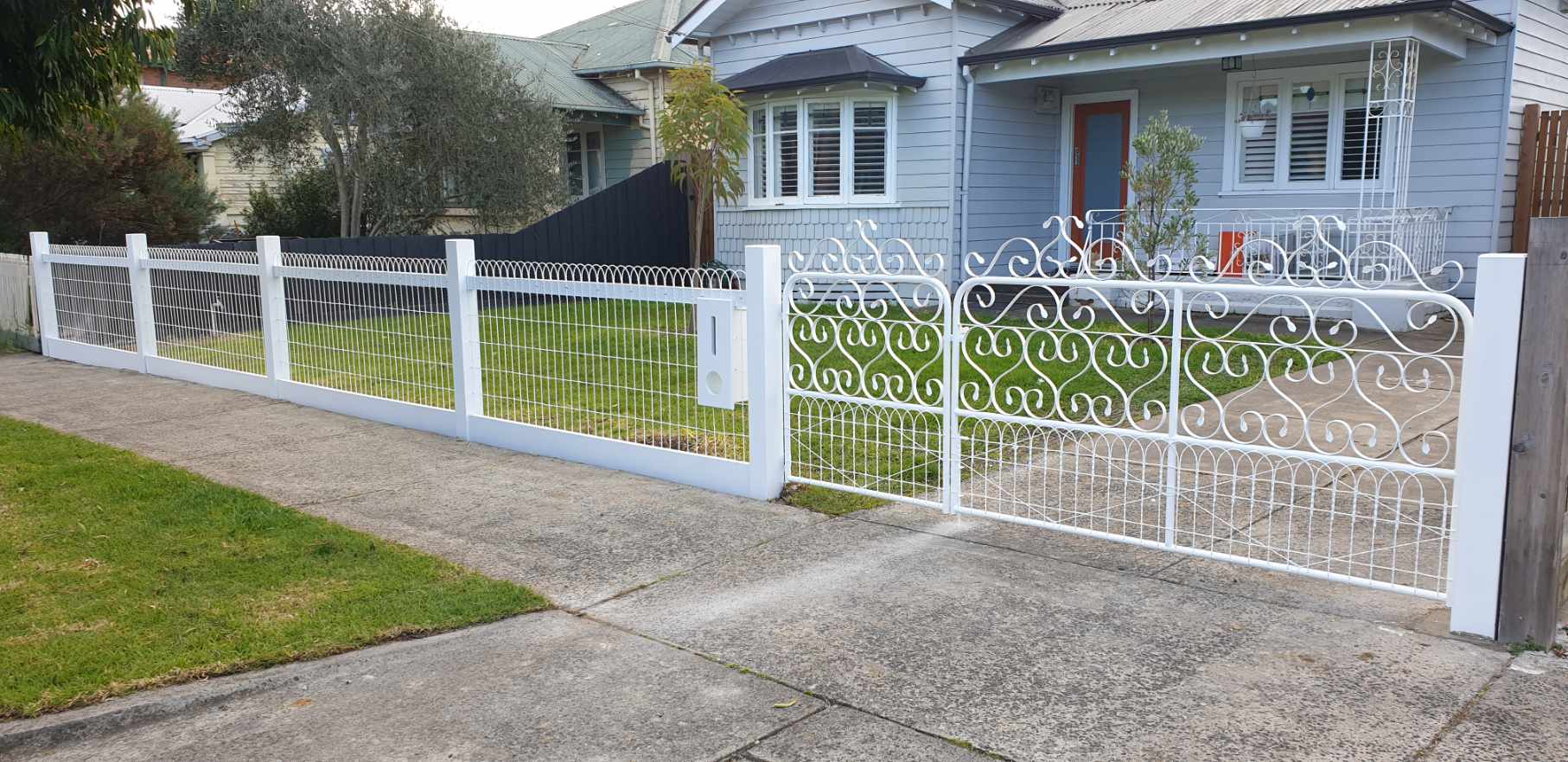
Finding a fence that actually suited the house
Choosing the front fence wasn't simply about finding one I liked.
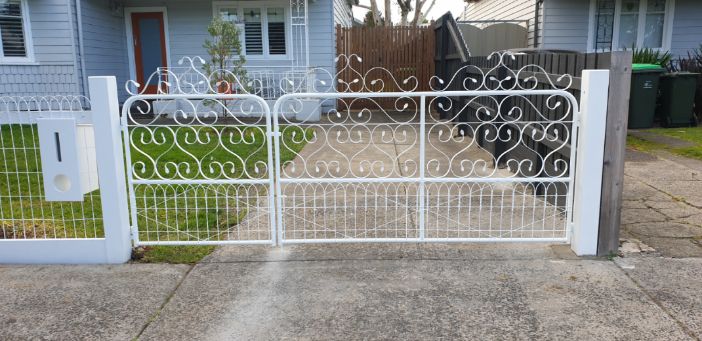
The house was more than 100 years old and affected by a heritage overlay, so I wanted the new fence to make sense with the age and character of the house.
I researched different fence styles and looked at what would suit the property rather than automatically choosing whatever happened to be popular at the time.
There was also a very practical consideration.
Our driveway was narrow.
That meant the fence design couldn't just look right. It also had to work with the way we actually accessed the property.
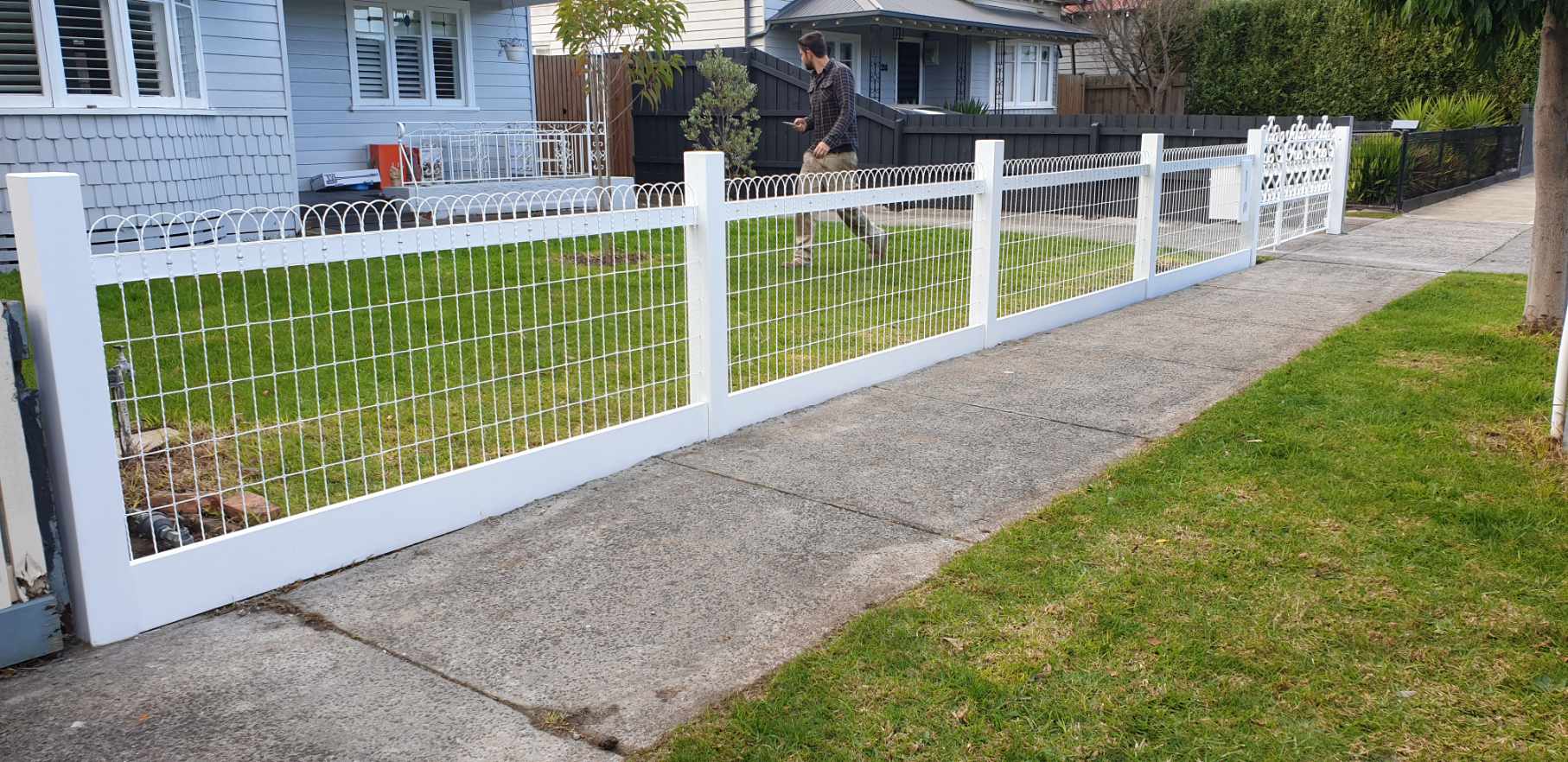
This was probably the part of the project that involved the most thinking.
I was trying to balance the character of the house, the heritage considerations, what was permitted and the practical reality of having a narrow driveway.
A fence is a relatively simple structure.
Choosing the right one for a particular property isn't always quite so simple.
Not every part of a renovation needs the same approach
The fence project ended up being a good example of how I approached a lot of our renovation.
I didn't automatically DIY everything.
And I didn't automatically outsource everything either.
For the side fence, I worked out what was allowed, talked it through with the neighbours and found a professional to build it.
Then I painted it myself.
For the front, I removed the deteriorating old fence myself, researched what would suit the house and considered the practical and heritage constraints before deciding what should replace it.
The actual physical work is only one part of a home project.
Sometimes the bigger job is figuring out what needs to happen, who needs to do it and in what order.
Once you've worked that out, the project itself becomes much easier to manage.
What I'd do again
I'd absolutely paint a new timber fence myself again.
It's a relatively straightforward job, the equipment is simple and I genuinely don't mind doing it.
I'd also take the same approach to the bigger decisions.
Check the rules first.
Talk to the people affected.
Work out what needs a professional.
Research the options.
Then decide what you're comfortable doing yourself.
It takes a little longer at the beginning, but I'd much rather spend time figuring things out before the work starts than discover halfway through that we've built or bought the wrong thing.
And if I end up with another enormous fence to paint?
Brush in hand.
Wax on, wax off.
More from Great Ocean Road Living
Continue exploring
Disclosure: This article contains an Amazon affiliate link. As an Amazon Associate I earn from qualifying purchases. This comes at no extra cost to you.