Old house renovation
What Renovating a 100 Year Old House Taught Us
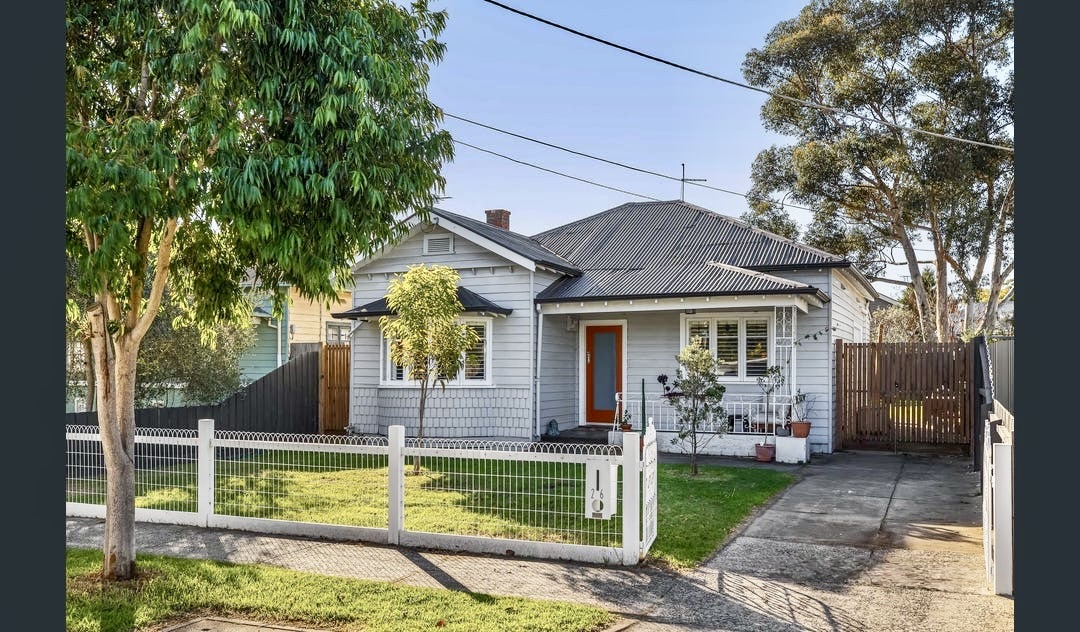
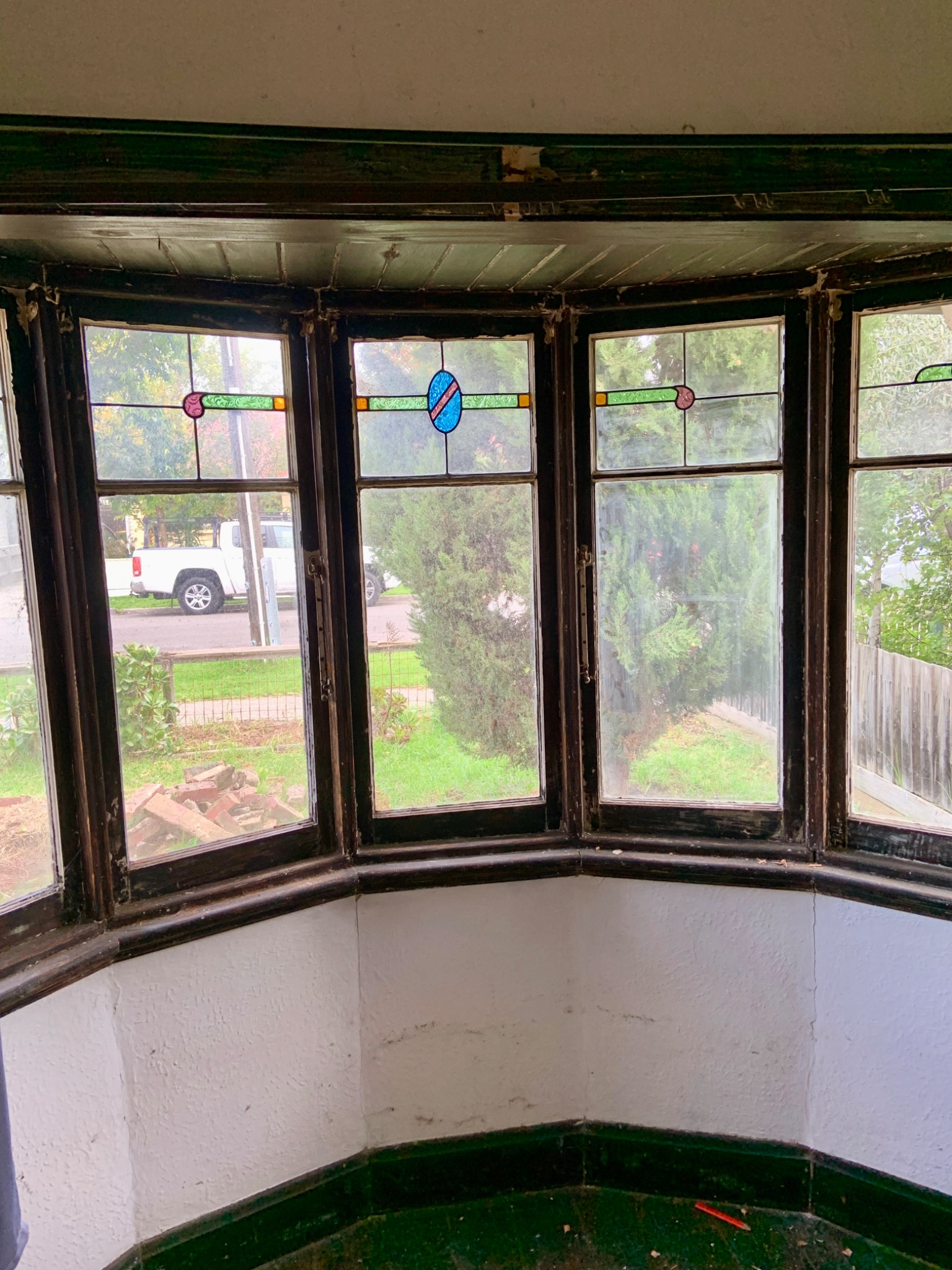
When we bought our first home, it was more than 100 years old and very tired. We knew it needed work, but we also knew we couldn't afford to do everything we ultimately wanted to do straight away. Our plan was to complete an interim renovation, live comfortably in the house and save for a much bigger renovation later. Except the bigger renovation never happened. Years later, we sold the house and moved on to a completely different life on the Great Ocean Road. Looking back, I'm actually glad things happened that way. Renovating the house taught us a lot about old homes, particularly that making something better doesn't always mean replacing everything that's already there.
If you are improving a house in stages, the Big Picture Renovation Planner can help you think about how each project fits with the finished home.
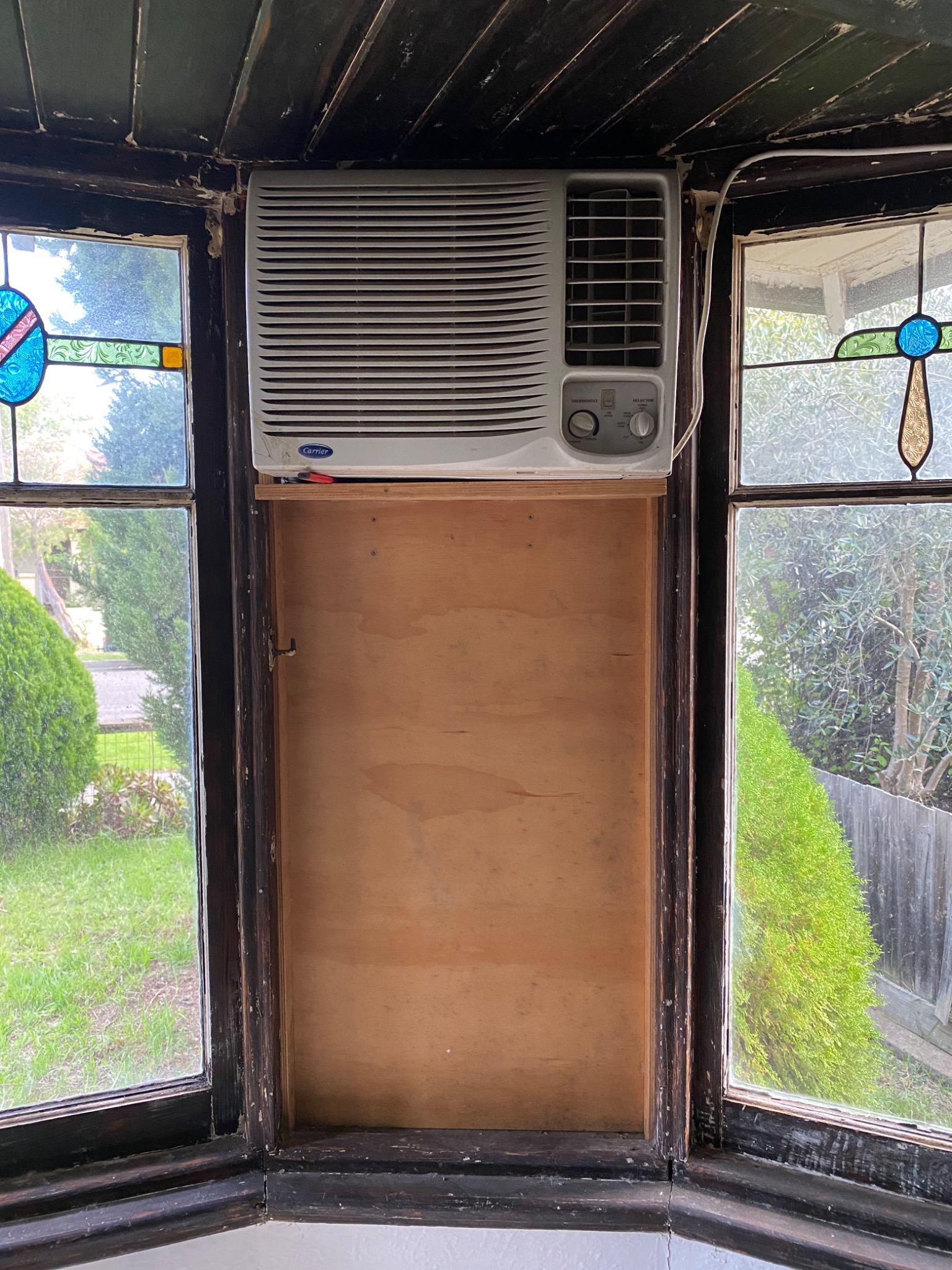 Before
 After
AfterSome of the old things are worth keeping
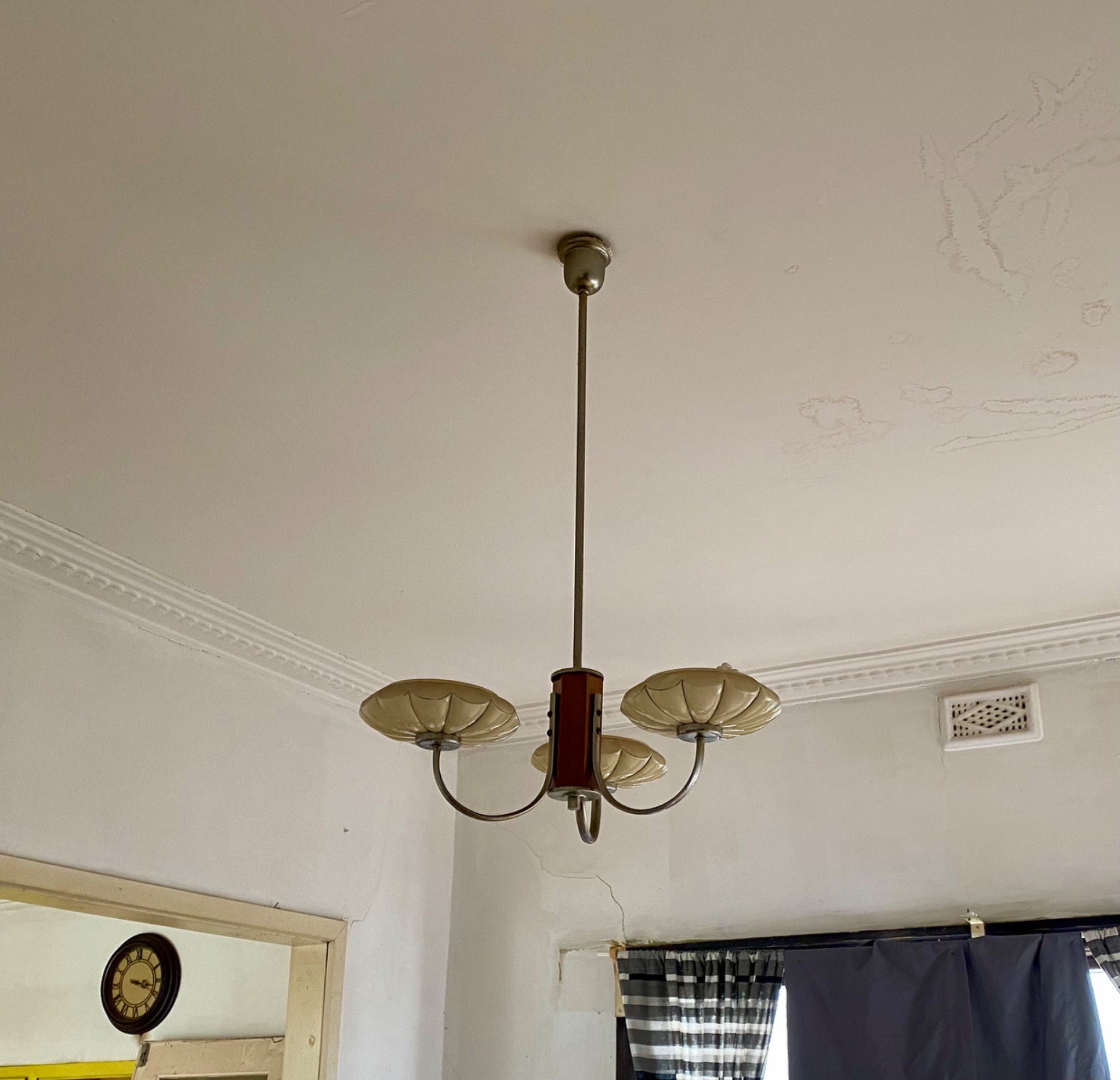
When a house is in poor condition, it is easy to look at everything through the lens of what needs to go. But some of my favourite parts of the renovation came from doing the opposite: we refurbished some of the old light fittings rather than replacing them with new ones.
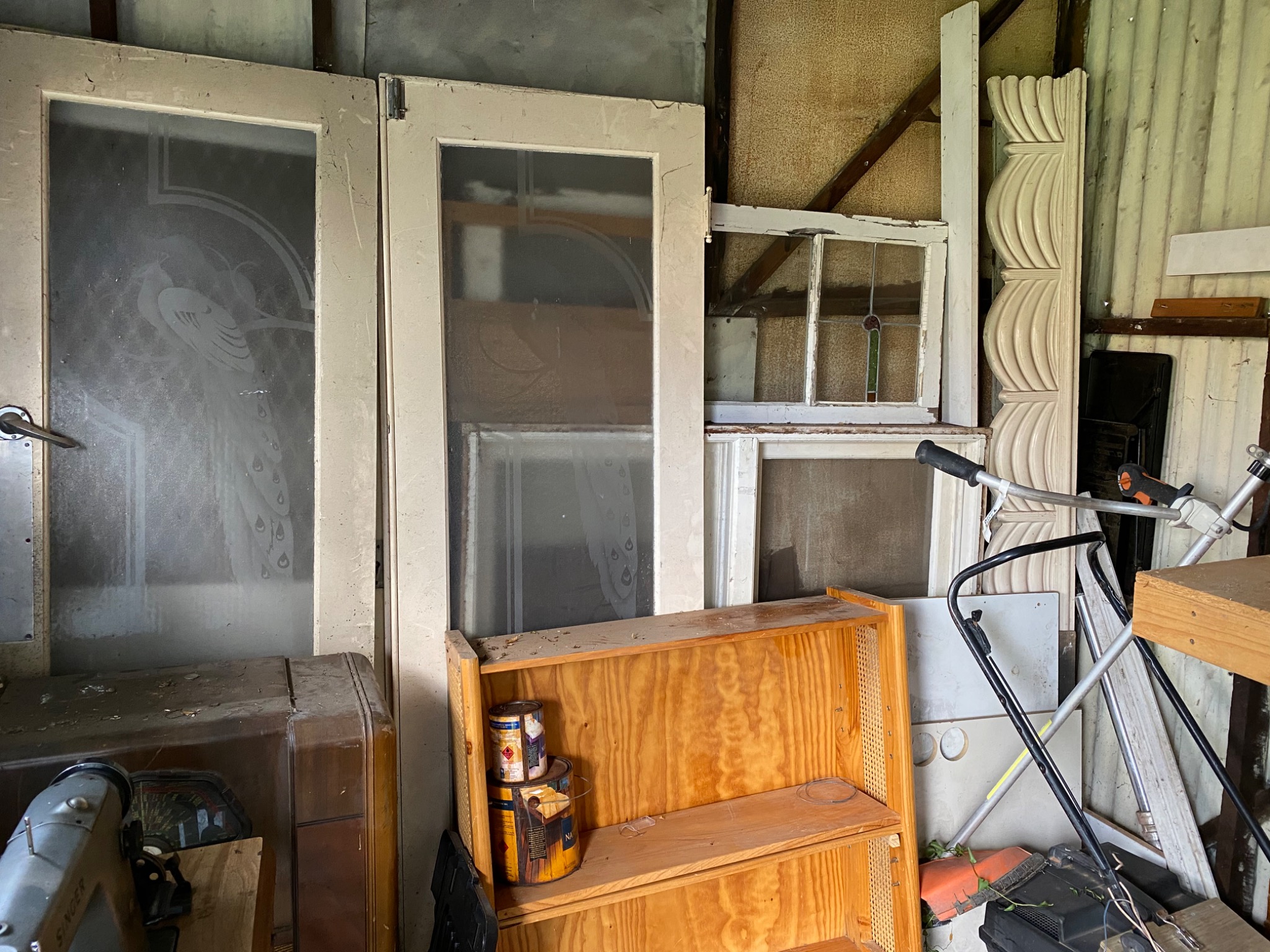
We also found pieces of the home's old leadlight stored away in the shed. Discovering things like that changed the way we looked at the house. Not everything old was a problem to solve; some things were part of what made it interesting in the first place.
Heritage restrictions need to be part of the plan
The house was affected by a heritage overlay, so we couldn't simply assume we could make whatever changes we wanted. We had to consider those restrictions when imagining what a larger renovation might look like.
Heritage controls differ from one property to another. Our experience taught us to understand them before getting too attached to a renovation idea: an old house might have enormous potential, but that doesn't mean every version of it is possible.
An interim renovation can be a real renovation
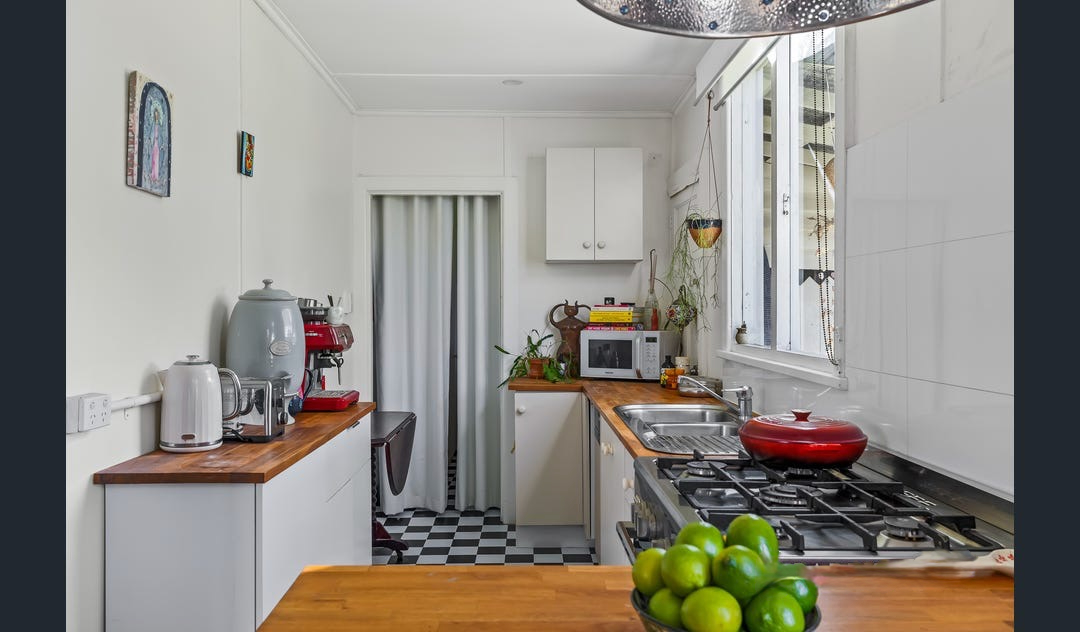
We always called it the interim renovation. We planned to make the house comfortable while we saved for a bigger project, so we worked with the existing kitchen, bathroom and other rooms rather than treating everything as a blank canvas.
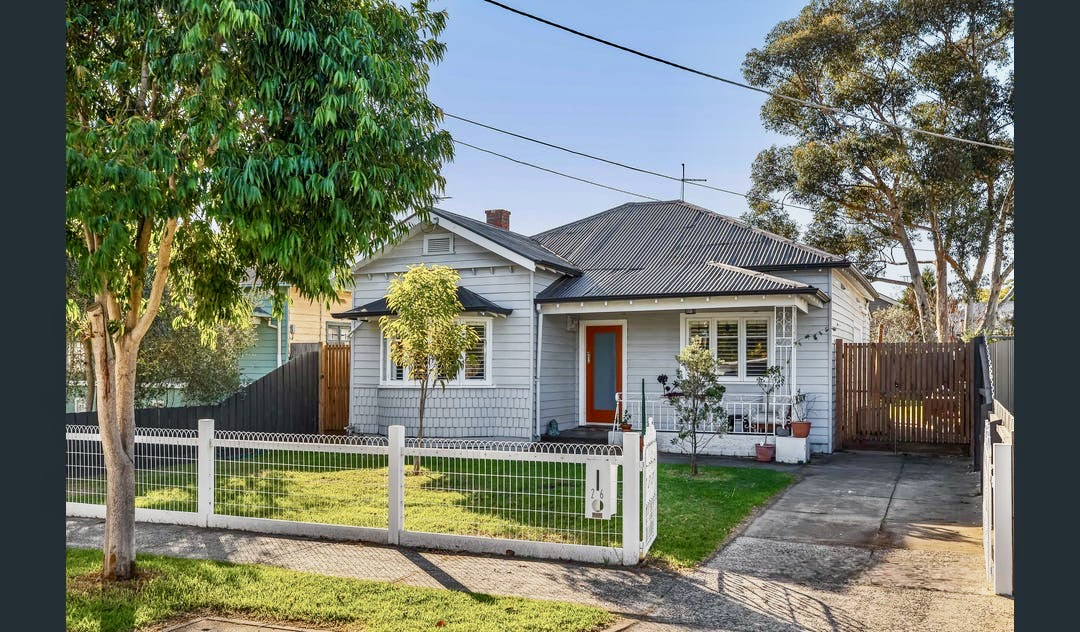
The interim renovation made an enormous difference. The house became somewhere we really enjoyed living. It wasn't the major architectural renovation we'd imagined, but it didn't need to be. You can see some of the projects in our kitchen renovation, bathroom renovation, lounge renovation and IKEA PAX wardrobe stories.
Old doesn't always mean it needs replacing
Our roof was probably the best example. More than 100 years old, rusty and with a few holes, it looked like an obvious candidate for replacement. Instead, we patched it and painted the corrugated iron—with brooms.
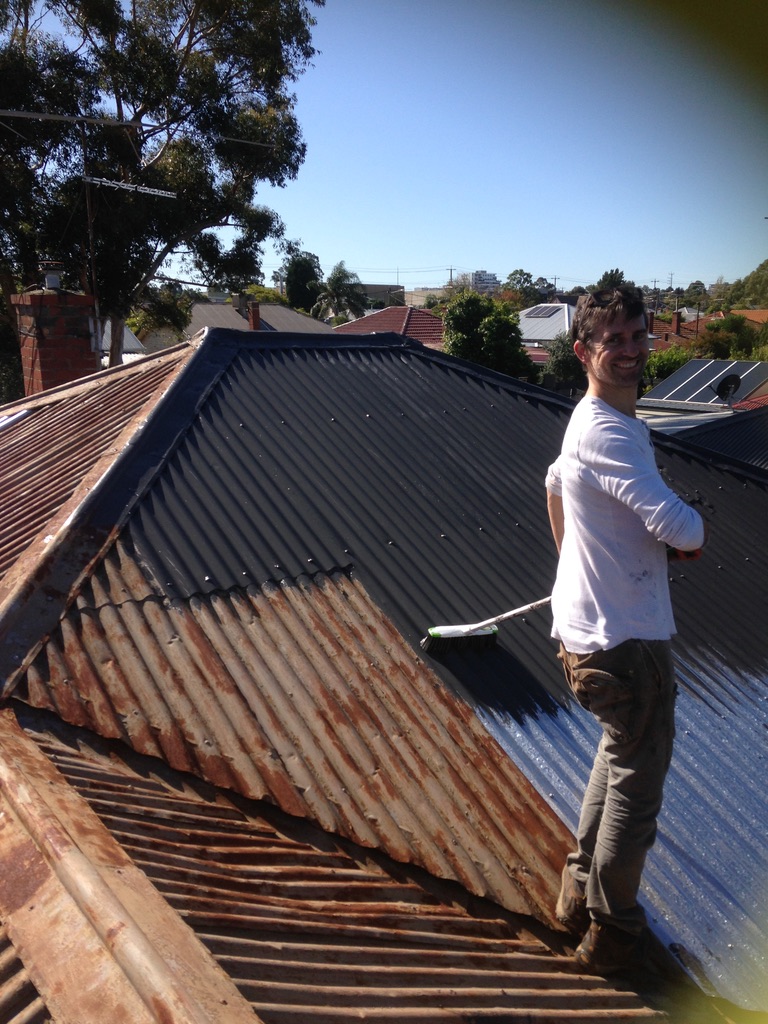
It cost very little compared with a new roof and completely changed the house's appearance. The project is in We Painted Our 100 Year Old Roof With Brooms and It Transformed the House. Sometimes replacement is necessary; sometimes an old material just needs attention.
The renovation you plan might never happen
For years, we thought of the work as the renovation before the renovation: we would improve the house, save our money and eventually take on the bigger project. We had plans for what the house could become, and then life changed. We decided to sell before that major renovation ever happened.
In hindsight, that made me appreciate the interim work even more. We hadn't spent years living in a house we disliked while waiting for some future version of it. We made it better with the resources we had, enjoyed those improvements, and left a very different house from the tired one we'd bought.
What the old house taught us
The biggest lesson was that renovating doesn't have to be all or nothing. You can preserve something old, repair rather than replace, make smaller improvements while saving for something bigger—or change your mind entirely.
Our big renovation never happened. We sold the house and eventually started a new chapter on the Great Ocean Road. In a funny way, the renovation we kept calling temporary turned out to be the finished one, and I'm glad we didn't spend those years waiting to make the house somewhere we wanted to live.
The outdoor work followed the same practical approach, including replacing and painting the fences around the old house. If you're considering an old home yourself, these are the things we would look for before buying an old house.
More from Great Ocean Road Living